2026 Best Tulle Net Fabric for Wholesale Buyers?

Time:2026-10-07 Author:Oliver
0%

Choosing the right Tulle Net Fabric for wholesale purchasing in 2026 requires more than comparing catalog prices. Buyers must assess structure, softness, width, color stability, and production consistency. A fabric may look elegant under showroom lighting, yet feel rough after handling or collapse during sewing. Small details matter.

In practical sourcing work, I examine mesh uniformity, yarn tension, edge stability, and roll presentation. I also request production samples before approving large quantities. A reliable supplier should provide clear specifications, realistic lead times, color references, and inspection records. These details support better decisions.

Different markets need different fabric performance. Bridal veils often require lightweight transparency and a soft drape. Costume manufacturers may prefer firmer Tulle Net Fabric that holds shape. Apparel buyers should also consider snag resistance, dye consistency, and compatibility with embroidery or heat-setting processes. Technical data helps, but it cannot replace physical testing.

Some assumptions deserve careful review. A lower price is not always better value. A wider roll may create more waste if the mesh quality varies. Even trusted suppliers can experience seasonal production changes. That is why buyers should compare samples from different lots, not only one attractive swatch.

This guide evaluates practical purchasing factors for wholesale buyers, including fabric grades, applications, supplier verification, quality control, and cost planning. The goal is not to promise a perfect choice. It is to help buyers ask sharper questions and reduce avoidable sourcing risks. Pay attention to the details.
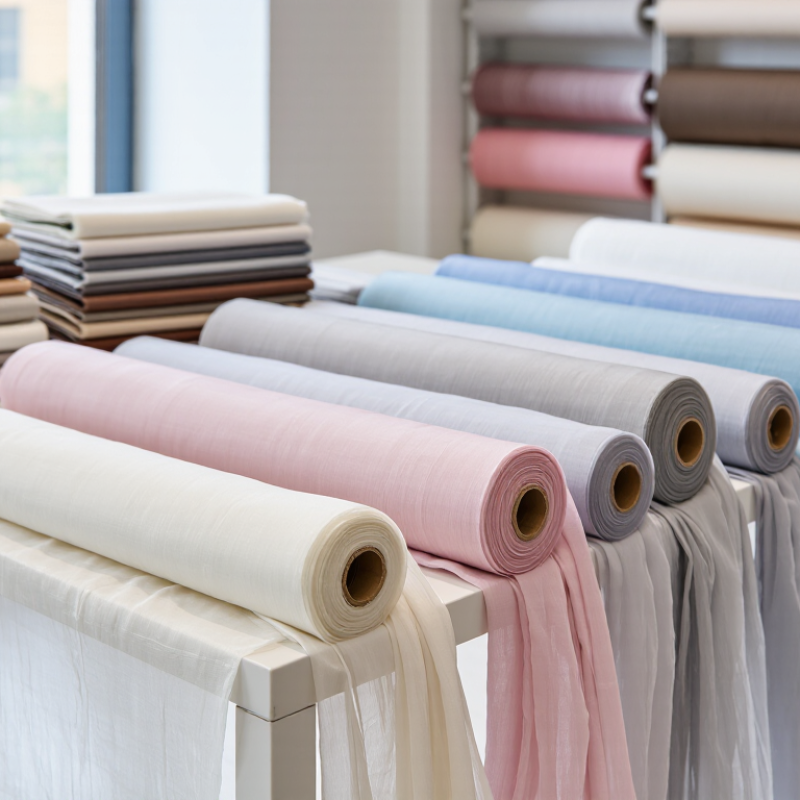
2026 Best Tulle Net Fabric for Wholesale Buyers?

What Is Tulle Net Fabric and How Is It Used?

Tulle net fabric is a lightweight textile with a regular, open mesh structure. It is commonly made from nylon or polyester fibers. Some specialty versions use silk, but synthetic tulle is more common for wholesale production. The fabric may feel soft, crisp, stretchy, or firm. Its finish depends on fiber type, yarn thickness, and heat treatment. Small holes allow airflow and create a delicate, transparent appearance.

Tulle is widely used for veils, skirts, sleeves, dance costumes, gift wrapping, and event decoration. Designers layer several pieces to create volume without adding much weight. A firm net can support gathered ruffles or structured bows. Softer tulle works better for flowing overlays and children’s clothing. It can snag on rough jewelry, sharp zippers, or unfinished furniture. Handle it carefully.

For wholesale buying in 2026, inspect a physical sample before placing a large order. Check mesh uniformity, roll width, edge stability, color consistency, and recovery after stretching. Ask for fiber composition, fabric weight, dyeing details, and packing specifications. A simple rub test can reveal excessive shedding or color transfer. My early assumption was wrong: the softest tulle is not always the best choice. A sample may look elegant but collapse during sewing. Test it under the actual lighting and with the intended lining. Small defects become expensive when hundreds of garments are cut.

Key Tulle Net Fabric Types for Wholesale Purchasing

2026 Best Tulle Net Fabric for Wholesale Buyers?

Key Tulle Net Fabric Types for Wholesale Purchasing

Wholesale buyers should compare tulle by fiber, structure, weight, and end use. Polyester tulle remains the practical volume choice because it offers stable color, low moisture absorption, and competitive pricing. Textile Exchange reported that polyester represented about 57% of global fiber production in 2023. That scale generally supports wider supply and more consistent replenishment. However, low cost can hide rough edges, weak recovery, or uneven dyeing.

Nylon tulle feels softer and drapes more naturally, making it suitable for veils, lingerie details, and delicate apparel. It often costs more and may need stricter handling during packing.

Stretch tulle combines nylon or polyester with elastane. Check recovery after repeated stretching, not only the first sample. A beautiful sample can disappoint later.

For structured skirts, gift packaging, and decorative layers, stiff polyester or crinoline-style netting provides stronger volume. Soft tulle works better for gathered sleeves and flowing overlays.

Technical checks should include GSM, mesh opening, roll width, seam behavior, and colorfastness. Ask for test records, batch samples, and production tolerance ranges.

Textile Exchange’s Materials Market Report 2024 placed global fiber production at approximately 124 million tonnes in 2023, showing the importance of material selection at scale. Recycled polyester may support sustainability targets, but buyers should verify recycled content claims and certification documents.

I would also test three rolls, not one. Small variations can become visible across a large wholesale order.

How to Evaluate Tulle Net Fabric Quality and Performance

For wholesale buyers, tulle net fabric quality starts with measurable construction. Check fiber content, mesh count, width, and GSM across several rolls. A low GSM is not automatically a bargain. Lightweight tulle can tear during cutting, sewing, or packing. Request a sealed sample and compare its edge curl, softness, and recovery after stretching. In practical inspections, uneven openings often signal unstable knitting tension.

Performance testing should follow recognized methods. ISO 13934-1 helps measure tensile strength, while ASTM D5034 evaluates grab strength. ASTM D1424 is useful for tear resistance. Test both the fabric body and stitched seams. Inspect colorfastness after washing, rubbing, and light exposure. For bridal or costume applications, examine snagging under repeated contact with zippers and rough surfaces. Small defects become expensive when multiplied across thousands of meters.

Market context also matters. Textile Exchange’s Materials Market Report 2024 recorded global fiber production at about 124 million tonnes in 2023, with polyester representing roughly 57%. This scale makes recycled-content verification increasingly relevant, but certificates alone do not prove fabric performance. Ask for batch records, test dates, and tolerances. Check roll-to-roll consistency, too. One overlooked issue is odor after finishing. It may disappear, or it may not. A cautious buyer should test before approving bulk production.

Factors Affecting Tulle Net Fabric Wholesale Prices

Tulle net fabric wholesale prices in 2026 depend on more than the fiber listed on a quotation. Polyester usually costs less than nylon, while finer denier yarns require tighter production control. Mesh size, fabric width, GSM, and roll length also change the usable cost. Small details matter. A 150-centimeter roll may reduce cutting waste compared with a narrower option. However, wider fabric can increase weaving and packing expenses.

Finishing changes everything. Softening, anti-static treatment, coating, and special surface effects add processing time and chemical costs. A pale ivory shade may require more careful dye matching than standard white. Colorfastness, tear strength, selvage neatness, and mesh consistency should be checked with a physical sample. A low price is not useful if rolls contain uneven holes or excessive knots. This is where many wholesale comparisons become unreliable.

Order volume, minimum quantities, production schedules, and shipping distance also affect the final price. Seasonal demand can raise costs before wedding or holiday apparel collections. Energy prices and currency movements may change a quotation within weeks. Buyers should request a complete offer covering fabric, packing, testing, and delivery terms. Compare cost per usable meter, not only cost per roll. I still find this comparison imperfect when waste rates are estimated too casually. A simple cutting trial can reveal more than a polished spreadsheet.

2026 Best Tulle Net Fabric for Wholesale Buyers? - Factors Affecting Tulle Net Fabric Wholesale Prices

Indicative wholesale specifications and price ranges for bulk purchasing; actual quotations vary by order volume, customization, certification, freight, and market conditions.

Tulle Net Fabric Type Typical Fiber Content Common Width Approx. Weight Typical MOQ Indicative Wholesale Price
(USD per metre)
Main Price Factors Recommended Wholesale Uses
Standard Soft Tulle 100% polyester 150 cm 20–35 gsm 500–1,000 m $0.35–$0.85 Yarn cost, mesh density, dyeing quantity, finishing, and order volume Fashion linings, veils, craft projects, gift packaging, and basic decorations
Stiff Bridal Tulle 100% polyester 150–300 cm 35–70 gsm 300–800 m $0.65–$1.45 Higher yarn weight, stiffness treatment, extra-wide construction, and color matching Wedding gowns, petticoats, bridal veils, tutus, and structured skirts
Soft Nylon Tulle 100% nylon 140–160 cm 15–30 gsm 500–1,000 m $0.75–$1.60 Nylon polymer pricing, softness, mesh uniformity, dye fastness, and finishing requirements Delicate apparel, lingerie details, dancewear, sleeves, and lightweight overlays
Glitter Tulle Polyester tulle with glitter coating 150 cm 35–65 gsm 300–800 m $1.10–$2.40 Glitter coverage, glitter particle quality, application method, shedding control, and custom colors Partywear, costumes, stage garments, decorations, and seasonal accessories
Embroidered Tulle Polyester or nylon base with polyester embroidery thread 110–140 cm 60–180 gsm 200–500 m $3.00–$12.00 Design complexity, stitch count, motif size, embroidery coverage, backing, and sampling Bridal couture, eveningwear, premium overlays, formal dresses, and decorative panels
Printed Tulle Polyester or nylon with pigment, sublimation, or digital print 145–155 cm 25–60 gsm 300–1,000 m $1.25–$4.50 Print coverage, number of colors, artwork preparation, registration accuracy, and colorfastness Statement apparel, scarves, fashion panels, event décor, and limited collections
Recycled Polyester Tulle 100% recycled polyester 150 cm 25–60 gsm 500–1,500 m $0.85–$1.80 Certified recycled input, traceability, certification fees, yarn quality, and documentation Sustainable apparel, eco-conscious accessories, packaging, and retail collections
Fire-Retardant Tulle Treated polyester or inherently flame-resistant polyester 150–300 cm 30–80 gsm 500–1,500 m $1.20–$3.50 Flame-retardant chemistry, test standards, laboratory certification, and treatment durability Exhibition displays, theaters, event venues, stage backdrops, and public installations
Stretch Tulle Polyester or nylon blended with elastane 145–160 cm 70–150 gsm 300–800 m $1.40–$3.20 Elastane percentage, stretch recovery, fabric weight, knitting structure, and dyeing process Dancewear, bodysuits, lingerie, fitted sleeves, sports fashion, and costume components
Key Wholesale Price Considerations: Fiber type and yarn denier, fabric width and weight, mesh size, stiffness or softness, dyeing and finishing, printing or embroidery, certification requirements, order quantity, packaging, shipping terms, and seasonal raw-material costs can all affect the final wholesale price.

How to Choose a Reliable Tulle Net Fabric Supplier in 2026

2026 Best Tulle Net Fabric for Wholesale Buyers?

How to Choose a Reliable Tulle Net Fabric Supplier in 2026

A reliable supplier starts with traceable specifications, not attractive sample photos. Ask for fiber content, mesh count, width tolerance, weight, finish, and colorfastness results. Request a recent production sample, then compare it with the approved sample under daylight. Small differences become expensive across thousands of meters.

Market data supports careful material screening. Textile Exchange’s Materials Market Report 2024 recorded 124 million tonnes of global fiber production in 2023. Polyester represented about 57% of that volume. Recycled polyester reached nearly 12% of total polyester output. These figures show why recycled-content claims need evidence, not vague certificates. Request transaction records, scope details, and independent laboratory reports. The Fashion on Climate report estimated fashion produced 2.1 billion tonnes of CO2e in 2018. Ask suppliers for energy and emissions data.

Supplier reliability also appears in factory behavior. A capable mill explains lead times, minimum orders, dye-lot control, packing methods, and defect allowances in writing. Ask how it handles snagging, edge curling, and uneven holes after finishing. ASTM D5034 tensile testing and ISO 105 colorfastness methods can support useful comparisons. Test selection still depends on the final product. Production audits reduce surprises, but they cannot guarantee perfection. I would reserve a small pilot order before committing to seasonal volume. That feels slower. It is often cheaper.

2026 Best Tulle Net Fabric for Wholesale Buyers? How to Choose a Reliable Tulle Net Fabric Supplier in 2026

How to use this chart: Fiber heat resistance is a practical screening factor when comparing tulle net fabric suppliers. Polyester and nylon are commonly used in tulle, while elastane may be added for stretch. Ask suppliers to confirm the exact fiber composition, heat-setting temperature, finishing process, and fabric test results because melting points vary by polymer grade and additives.

Reference basis: commonly published technical melting-point ranges for polymer fiber families. Exact values vary by grade, blend, and finishing treatment.

FAQS

What is tulle net fabric?

Tulle is a lightweight textile with regular, open mesh holes. It may feel soft, crisp, stretchy, or firm.

What fibers are commonly used in tulle?

Most wholesale tulle uses nylon or polyester fibers. Specialty versions may use silk, but synthetic options are more common.

What products can be made with tulle?

Tulle suits veils, skirts, sleeves, dance costumes, gift wrapping, and event decoration. Several layers can add volume without much weight.

How should I choose between soft and firm tulle?

Soft tulle works well for flowing overlays and children’s clothing. Firm tulle supports gathered ruffles, bows, and structured shapes.

What quality details should wholesale buyers inspect?

Check mesh uniformity, roll width, edge stability, color consistency, fabric weight, and stretch recovery. Inspect several rolls, not just one.

Why should I request a physical sample before ordering?

A sample can reveal uneven holes, odor, shedding, color transfer, or weak edges. Photos cannot show every problem.

How can I test tulle before bulk production?

Rub the fabric gently, stretch it repeatedly, and test it under actual lighting. Sew a small piece with the intended lining.

What supplier information should I request in 2026?

Request fiber content, mesh count, width tolerance, dyeing details, packing specifications, lead times, and defect allowances. Written details matter.

Can recycled-content claims prove fabric quality?

No. Documentation may support material claims, but it does not prove strength, colorfastness, or sewing performance.

What common mistake should buyers avoid?

I once assumed the softest tulle was always best. It looked elegant, but it collapsed during sewing. Test before approval.

Conclusion

This guide to Tulle Net Fabric helps wholesale buyers understand its structure, applications, and purchasing considerations in 2026. Made with an open mesh construction, it is commonly used for bridal veils, fashion garments, dancewear, costumes, event decoration, and craft products. Buyers can compare different types by fiber content, softness, stiffness, stretch, mesh size, transparency, width, and finishing effects to match specific production needs.

The article also explains how to evaluate quality through consistent weaving, clean edges, stable color, reliable strength, and resistance to snagging or deformation. Wholesale prices may be influenced by raw material costs, fabric weight, order volume, customization, dyeing, packaging, and delivery requirements. To choose a dependable supplier, buyers should review samples, confirm technical specifications, assess production capacity, communicate clearly about lead times, and select a partner that provides consistent quality and professional service.


Oliver

Oliver

Oliver is a seasoned marketing professional with a wealth of expertise in driving brand awareness and engagement. With a deep understanding of our company's product offerings, he consistently delivers high-quality content that enriches our professional blog. His insights not only shed light on......