The demand for Polyester Fabric Material continues to surge in the global market. According to a recent report by MarketsandMarkets, the polyester textile market is projected to reach $104 billion by 2025. This growth can be attributed to its versatility and durability in various applications. Industry expert Dr. Emily Cheng states, "Polyester fabric has become the backbone of modern textiles due to its strength and affordability."
As buyers navigate the complexities of sourcing Polyester Fabric Material, understanding its key characteristics is vital. This synthetic fabric resists wrinkles, shrinking, and stretching, making it a popular choice across apparel and home textiles. Additionally, it offers an eco-friendly option through recycled polyester variants, appealing to environmentally conscious consumers. However, challenges remain in balancing quality with cost, as lower-grade polyester can lead to dissatisfaction in the end product.
The global landscape presents both opportunities and hurdles. Buyers must consider not only cost-effectiveness but also the environmental impact of their choices. A deep dive into the specifics of Polyester Fabric Material can reveal nuances that influence performance and sustainability. A continued focus on innovation will be essential for meeting the ever-changing demands of this dynamic market.
Understanding Polyester Fabric: Composition and Characteristics
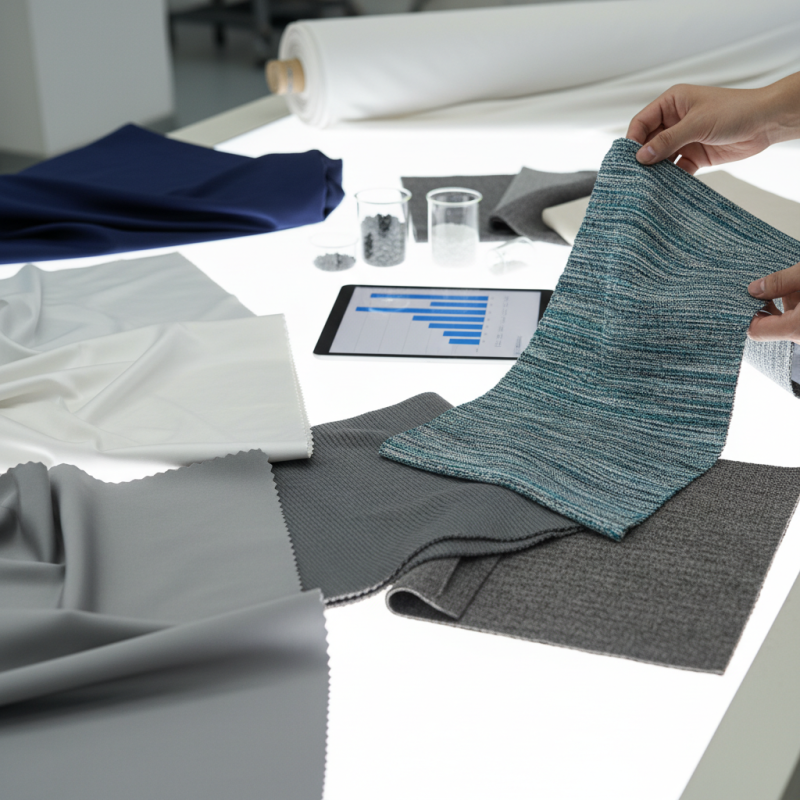
Polyester fabric is a popular choice worldwide due to its versatility and durability. It is made from synthetic fibers derived from polyethylene terephthalate (PET). This composition gives polyester unique characteristics. It is resistant to shrinking, stretching, and wrinkling. Additionally, polyester dries quickly, making it suitable for various applications, from clothing to home textiles.
One important aspect of polyester is its breathability. While it may not be as breathable as natural fibers, modern manufacturing techniques have improved this characteristic. This is crucial for comfort in warm climates. The fabric can also retain its shape well, which is an advantage for clothing that requires a structured appearance. With a range of textures and finishes, polyester can mimic other fabrics, appealing to different taste preferences.
Tips: When selecting polyester fabric, consider the weight and thickness. Lightweight polyester works best for summer wear, while heavier options are suitable for outerwear. Always check the care instructions. Some polyester fabrics may require special washing techniques to maintain their quality. Lastly, consider eco-friendly options, as some manufacturers use recycled polyester, providing a sustainable choice for conscious consumers.
Types of Polyester Fabrics: Exploring Variants for Global Markets
Polyester fabrics have become increasingly popular in global markets due to their versatility and durability. Various types of polyester fabrics cater to diverse applications. For instance, there is polyester microfiber, known for its softness and breathability, commonly used in clothing and upholstery. Market data shows that the demand for microfiber fabrics has surged by 30% over the past three years, indicating a shift towards premium fabric choices.
Another notable variant is recycled polyester. This fabric, made from post-consumer plastic bottles, reflects a growing trend in sustainability. Reports indicate that the recycled polyester segment is expected to grow by 25% annually, driven by eco-conscious consumer preferences. However, not all recycled polyester maintains the same quality standards, which raises questions about reliability. Buyers should be mindful and conduct thorough research when sourcing materials.
Additionally, polyester blends, such as those mixed with cotton or spandex, are widely favored for their enhanced properties. Those blends offer comfort, stretch, and improved moisture-wicking capabilities. However, it's essential to remember that the production process can impact the fabric's environmental footprint. Balancing performance with eco-responsibility remains a challenge for many manufacturers in the global market.
Best Polyester Fabric Material for Global Buyers
| Type of Polyester Fabric |
Common Uses |
Characteristics |
Market Demand |
Countries with High Demand |
| Polyester Spandex |
Activewear, Sportswear |
Stretchy, Durable |
High |
USA, China, Germany |
| Polyester Satin |
Evening Gowns, Linings |
Smooth, Glossy Finish |
Medium |
Italy, France, Brazil |
| Polyester Fleece |
Jackets, Blankets |
Warm, Soft |
High |
USA, Canada, UK |
| Polyester Taffeta |
Linings, Wedding Dresses |
Crisp, Lightweight |
Medium |
Japan, Korea, Australia |
| Recycled Polyester |
Eco-friendly Apparel, Home Textiles |
Sustainable, Strong |
Increasing |
Sweden, Denmark, Netherlands |
Key Factors to Consider When Choosing Polyester Fabric
When selecting polyester fabric, several critical factors should guide your decision. The fabric's durability is paramount. According to textile industry reports, high-quality polyester can withstand significant wear over time. This makes it an ideal choice for a variety of applications, from clothing to upholstery. A durable polyester fabric commonly lasts twice as long as natural fibers like cotton.
Another essential factor is the fabric's breathability. While polyester is known for its moisture-wicking properties, not all polyester fabrics offer the same level of air circulation. Research indicates that blends of polyester with natural fibers can enhance breathability. Buyers should consider fabric compositions carefully to meet their intended use. Testing samples in real-world scenarios can reveal how well the fabric performs under various conditions.
Sustainability also plays a vital role in fabric selection. The production of polyester is resource-intensive, raising concerns among eco-conscious buyers. Many manufacturers are now adopting recycled polyester, which can reduce environmental impact significantly. Reports show that recycled polyester can save up to 60% in energy consumption compared to virgin polyester. This movement toward sustainable practices should be a consideration for global buyers focused on reducing their carbon footprint.
Sustainability in Polyester Production: A Global Perspective
Sustainability in polyester production is a growing concern for global buyers. Traditional polyester manufacturing relies heavily on fossil fuels. This process not only increases carbon footprints but also leads to resource depletion. The industry is witnessing a shift towards more sustainable practices. Recycled polyester, made from post-consumer plastic waste, is increasingly popular. It reduces landfill waste and lowers energy usage.
However, challenges remain. The recycling process can be energy-intensive. It requires careful management to prevent further environmental damage. Additionally, not all polyester production incorporates sustainable practices. Buyers need to be discerning and informed. They should research suppliers and their production methods. Transparency in sourcing and manufacturing is essential.
Investing in sustainable fabric options can promote positive change. Despite the complexities, global buyers play a crucial role in this transition. They should prioritize materials that demonstrate genuine commitment to sustainability. Responsible choices can lead to better environmental outcomes and support a circular economy. This journey requires collaboration among manufacturers, consumers, and policymakers. Together, they can redefine the polyester landscape.
Current Trends and Innovations in Polyester Fabric Development
The world of polyester fabric is evolving rapidly. Current trends focus on sustainability and innovation. Manufacturers are exploring eco-friendly materials and production methods. The demand for recycled polyester is increasing. This shift reflects a growing awareness of environmental impact. Innovations in weaving and dyeing techniques enhance fabric performance. The result is a more durable, versatile product.
Tips: When sourcing polyester fabric, consider its environmental credentials. Look for certifications that indicate sustainable practices. Additionally, evaluate the fabric's breathability and moisture-wicking properties. These features are essential for performance applications.
Another significant trend is the integration of smart technology. Fabrics with embedded sensors are becoming popular in activewear. These fabrics can monitor body temperature or track activity levels. They bring convenience to daily life. However, balancing tech integration and comfort remains a challenge. Manufacturers must ensure these fabrics feel good against the skin.
As the polyester landscape changes, buyers should stay informed. Tracking these developments can lead to better purchasing decisions. Always assess the finished product carefully. Not all innovations meet high-quality standards. The key is to find a balance between innovation and reliability.
Current Trends in Polyester Fabric Development
Conclusion
In the article "Best Polyester Fabric Material for Global Buyers," the exploration begins with a comprehensive understanding of polyester fabric, delving into its composition and unique characteristics that make it a popular choice in various markets. The diverse types of polyester fabrics are examined, highlighting the variants available for global buyers who seek versatility in application. Key factors to consider when selecting polyester fabric material include durability, comfort, and suitability for the intended use, ensuring informed purchasing decisions.
Furthermore, the article addresses the sustainability of polyester production, emphasizing the global shift towards environmentally conscious practices. Current trends and innovations in polyester fabric development are also discussed, showcasing advancements that enhance both performance and eco-friendliness. This multifaceted approach provides valuable insights for global buyers looking to navigate the polyester fabric market effectively.

 WEIJIN TEXTILE