Choosing the right Spandex Mesh Fabric is crucial in various industries. This material finds applications in sportswear, activewear, and swimwear. According to a report by Market Research Future, the global spandex market is projected to reach $15 billion by 2026. This growth is driven by the increasing demand for flexible and durable fabrics.
When selecting Spandex Mesh Fabric, consider its stretchability, breathability, and weight. For instance, lightweight mesh is ideal for summer sports. A denser fabric may provide more support but could also retain heat. Balancing these properties is essential, as it impacts performance and comfort.
However, not all Spandex Mesh Fabrics are created equal. Some may lack the durability necessary for high-use environments. It is vital to analyze the fabric's fiber content and weave pattern. Seeking expert reviews or fabric certifications can enhance confidence in your choice. Make informed decisions to avoid potential regrets.
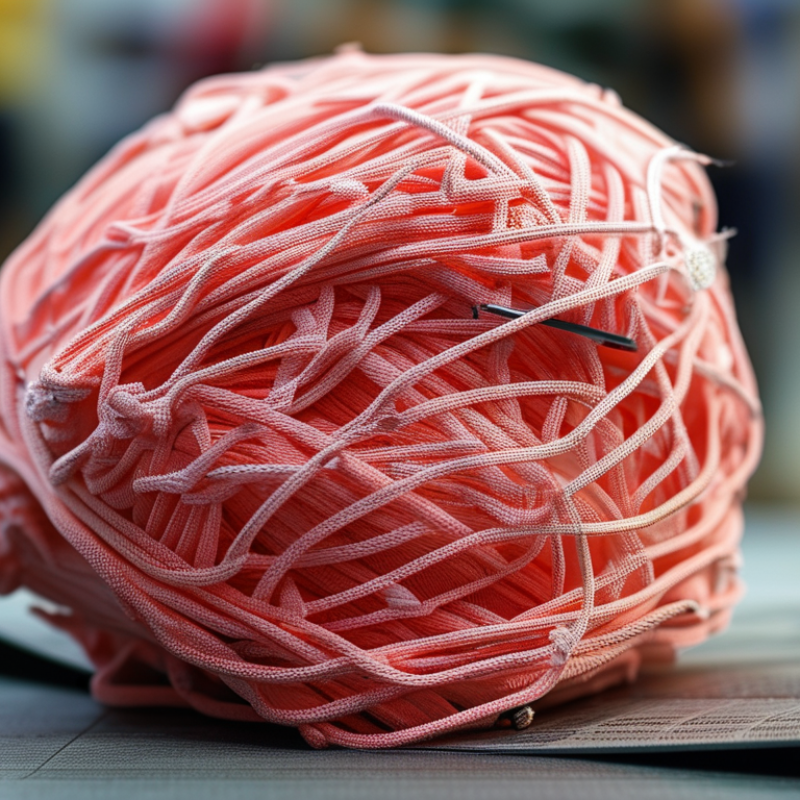
Spandex mesh fabric is gaining popularity in various industries. Its unique properties make it suitable for athletic wear, fashion, and even medical applications. The material is known for its elasticity and breathability, which allows for comfortable movement. According to a report by Textile World, the global demand for spandex is expected to grow by 5% annually until 2026. This highlights the increasing reliance on synthetic fabrics in diverse sectors.
One key characteristic of spandex mesh is its moisture-wicking ability. The fabric can quickly draw sweat away from the skin, promoting comfort during intense workouts. Many sports brands favor it for this reason. However, not all spandex fabrics are created equal. Some may have lower durability or breathability than expected. A study published by the Journal of Textile Research points out that inconsistencies in manufacturing can lead to a mismatch in expected performance.
When choosing spandex mesh fabric, consider its weight and stretch characteristics. A lighter fabric offers better airflow, ideal for warm-weather activities. A heavier fabric can provide more support but may trap heat. Always be cautious, as selecting the wrong type can negatively impact performance and comfort. Assessing the specific needs and intended use of the fabric is crucial. Understanding these properties will help make an informed choice for your project.
When selecting spandex mesh fabric, understanding specific needs is crucial. Key factors include stretchability, breathability, and weight. A report by the Outdoor Industry Association states that 80% of performance apparel consumers prioritize breathability. This should lead your selection process. For example, if you require fabric for sportswear, a lightweight, high-stretch option suits best.
Identifying your intended use is also vital. If you aim for casual wear, durability might take precedence. However, for athletic activities, moisture-wicking properties become important. Research from the Textile and Apparel Trade Association indicates that fabrics with moisture-wicking capabilities enhance performance by up to 30%. Reflect on whether aesthetics or function defines your priority—this can impact your choice significantly.
Balancing performance characteristics and aesthetic appeal can be challenging. Sometimes, the best option may not perfectly satisfy both needs. Exploring fabric samples before making a bulk purchase is wise. This step allows for practical evaluation against your expectations and requirements, blending functionality with personal style.
When evaluating spandex mesh fabrics, consider several crucial factors. The weight and thickness of the fabric influence its drape and stretch. Lightweight mesh offers breathability, ideal for activewear. Heavier options provide more support but might feel less comfortable during movement.
Another key aspect is the weave pattern. Different weaves can affect the stretch and recovery of the fabric. For example, a tighter weave may offer more structure. Conversely, a looser weave allows for more flexibility but could sacrifice durability.
Lastly, consider the fabric's finish. Some meshes are treated for moisture-wicking properties—great for sports. Others might have a glossy finish that enhances appearance but can affect breathability. It’s vital to test samples before committing. Fabric can behave differently under various conditions, making personal evaluation essential.
| Fabric Type | Weight (GSM) | Breathability | Stretch Ability | Common Uses |
|---|---|---|---|---|
| Lightweight Spandex Mesh | 100-150 | High | 4-Way Stretch | Activewear, Dancewear |
| Medium Weight Spandex Mesh | 150-200 | Medium | 2-Way Stretch | Sportswear, Swimwear |
| Heavyweight Spandex Mesh | 200-300 | Low | 4-Way Stretch | Costumes, Outerwear |
| Durable Spandex Mesh | 150-250 | Medium | 3-Way Stretch | Workouts, Casual Wear |
When selecting spandex mesh fabric, durability, stretch, and breathability are crucial factors. Reports indicate that spandex blends can withstand significant wear and tear, with researched durability ratings. Some fabrics boast over 30,000 rubs on the Martindale scale. This level of durability suits activewear, swimwear, and undergarments alike.
Stretch is another vital criterion. Fabrics with at least 15-20% spandex offer excellent elasticity. A high stretch percentage ensures comfort and flexibility during movement. While many fabrics claim to be stretchy, real-world testing often reveals inconsistencies. Fabrics should stretch in multiple directions without losing shape.
Breathability is essential for comfort, especially in hot climates. Mesh fabrics typically offer enhanced airflow. Some sources report that fabrics with a higher nylon content can exhibit better moisture-wicking properties. However, not all breathable fabrics manage this well. Look for combinations that indicate breathability levels.
Tips: Always test fabric samples before committing. Feel the texture and stretch. Consider the environment where you'll wear it. Durability might be overkill for lighter workouts but necessary for intense sports.
Another consideration is the fabric's care instructions. Some spandex blends may require special washing methods to maintain their properties. It's worth investing time to research options to avoid disappointing outcomes.
Choosing the right spandex mesh fabric can feel overwhelming. Many options exist, each with unique qualities. Understanding these differences is vital for making a smart choice. First, consider the fabric's weight. Light fabrics work well for sportswear, while heavier options provide durability. Each use calls for a specific type of mesh.
Next, focus on the stretch capability. Fabrics with high elasticity enhance movement, especially in activewear. Evaluate how the material feels against your skin. Softness can greatly impact comfort. Don’t forget to check for breathability. Fabrics that allow air circulation keep you cool during workouts.
Before purchasing, seek reliable sources. Online forums and fabric stores often provide valuable insights. Don’t hesitate to ask questions. Some fabrics may not meet your expectations once you handle them. Keep in mind the importance of testing samples. A small, physical piece can reveal a lot about its quality. Remember, what works for one person might not suit another. Gathering personal experiences can help guide your selection.
: Key factors include stretchability, breathability, weight, and intended use. Each factor significantly influences your choice.
Breathability is crucial, especially for sportswear. About 80% of consumers prioritize it for comfort and performance improvement.
Durability matters for activewear and swimwear. Fabrics rated for over 30,000 rubs are ideal for high wear and tear.
Look for fabrics with 15-20% spandex. A good stretch should allow movement without losing shape or comfort.
Balance is challenging. Aesthetic appeal may clash with functionality. Reflect on your priorities before making a choice.
Yes, testing helps evaluate texture, stretch, and overall quality. Experiences may differ; what works for one may not suit another.
Some spandex blends need special washing. Researching care methods prevents damaging the fabric and ensures longevity.
Seek advice from online forums and fabric stores. Personal experiences play a vital role in understanding different fabric qualities.
Light fabrics are preferable for sportswear. Heavier options are better for durability in strenuous activities and casual wear.
Moisture-wicking properties enhance performance but vary by fabric. Not all breathable fabrics perform equally well in this aspect.
When choosing the right Spandex Mesh Fabric for your needs, it's essential to understand its properties and how they align with your specific requirements. Spandex Mesh Fabric is known for its flexibility, breathability, and durability, making it a popular choice in various applications, including activewear and outdoor gear.
Identifying your specific needs will help you evaluate different types of Spandex Mesh Fabrics effectively. Consider factors such as stretchability, durability, and breathability, as these criteria play a critical role in the fabric's performance. By comparing these qualities and gathering tips and resources for informed decision-making, you'll be well-equipped to select the ideal Spandex Mesh Fabric that meets your unique demands.