A Polyester Fabric Roll is a continuous length of woven or knitted polyester material, supplied for cutting, sewing, coating, or further processing. Its consistent width and stable structure make it useful across clothing, home furnishings, packaging, and industrial products. A lightweight roll may become jacket lining, sportswear panels, banners, or reusable shopping bags. Heavier fabric can cover sofas, outdoor cushions, equipment, and transport cases.
Its performance depends on more than the word “polyester.” Manufacturers and buyers should check fabric weight, weave, width, stretch, colorfastness, and surface finish. A tightly woven roll feels firmer between the fingers and usually resists abrasion better. Coated polyester can repel light rain, while breathable versions suit garments and soft furnishings. In production settings, accurate roll length and clean edges also reduce cutting waste. Small details matter.
However, polyester is not a universal solution. Heat, friction, and sunlight can affect different grades in different ways. A fabric that performs well indoors may fade outdoors. Testing a sample remains wiser than trusting a catalog image. This point is easy to overlook. Reliable suppliers should provide technical specifications, care guidance, and relevant test information. They should also explain whether the material is recycled, virgin, laminated, or treated. Understanding these differences helps designers select the right Polyester Fabric Roll for its intended use, budget, and service conditions. A careful choice improves product consistency, but it may not solve every durability or sustainability concern. That limitation deserves honest attention.
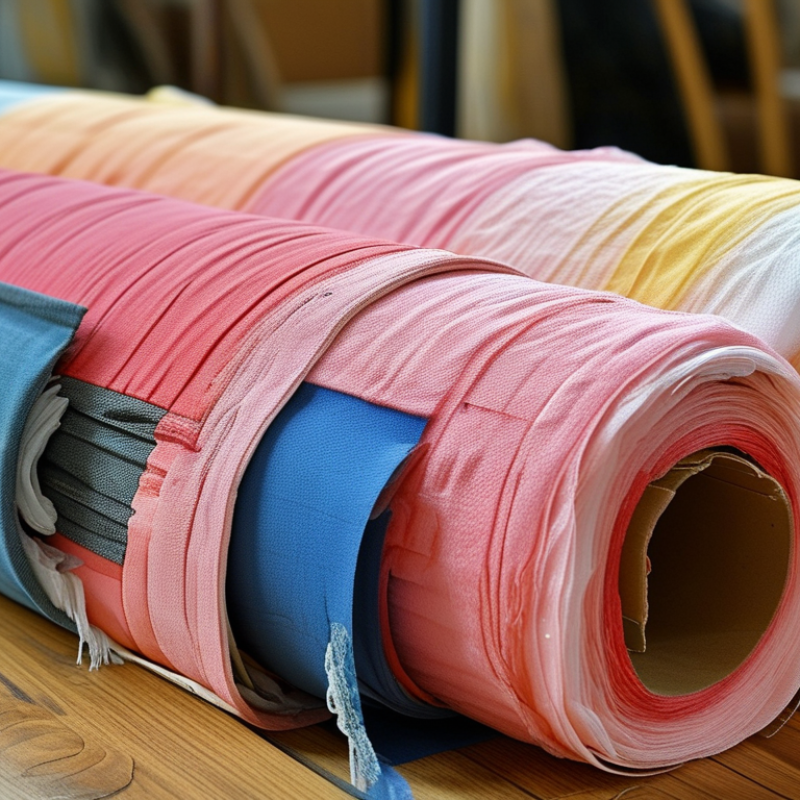
It is a continuous length of polyester textile wound around a cardboard or plastic core. Manufacturers produce it from polyester fibers, including spun, filament, woven, and knitted forms. The roll may feel smooth, crisp, soft, or slightly textured, depending on its construction. Common specifications include fabric width, weight, fiber density, and surface treatment.
Polyester fabric rolls are used for clothing, curtains, bags, banners, upholstery, and protective covers. Their strong fibers resist stretching and usually dry faster than natural fabrics.
For example, a workshop may cut coated polyester into outdoor covers, while a garment maker uses lightweight fabric for sportswear. Large rolls also reduce cutting waste during repeated production.
Performance still depends on the fabric structure. A thin roll can tear under sharp friction, and dark colors may absorb considerable heat. Polyester may develop static in dry rooms. It can also hold odors if it is not washed properly.
I have found that checking GSM, seam strength, and coating quality prevents many production problems. Yet specifications alone are not enough. A sample test under real humidity, washing, and sunlight is wiser than trusting a label.
Handle heat carefully. High temperatures can distort some polyester fabrics.
Polyester fabric rolls begin with polyethylene terephthalate, commonly called PET. Manufacturers melt PET chips, filter the polymer, and push it through tiny spinneret holes. The resulting filaments cool into long, continuous strands. Some mills add recycled PET flakes, although feedstock quality can vary. The 2024 Materials Market Report from Textile Exchange reported that polyester represented about 57% of global fiber production in 2023. That scale explains its widespread use in apparel, upholstery, banners, bedding, and industrial covers.
The manufacturing line then draws the filaments to improve strength and stability. Heat setting controls shrinkage, while texturing can create a softer, wool-like surface. Mills weave or knit the yarn into fabric, then apply dyeing, coating, or water-repellent finishes. Rollers maintain tension as the finished material is inspected and wound. It sounds tidy. It is not always.
A small tension error can create wrinkles, uneven edges, or repeating lines across an entire roll. Experienced technicians check fabric weight, width, color, tear strength, and surface defects before shipment. The International Organization for Standardization provides relevant textile testing methods, including procedures for dimensional change and color fastness. These checks matter because polyester rolls often become tent panels, workwear, seat covers, and outdoor signage. Recycled content deserves careful verification too. Textile Exchange reported that recycled polyester remained a minority share of total polyester production, despite growing demand. A certificate helps, but traceability can still be imperfect.
What Is Polyester Fabric Roll Used For?
Main Uses of Polyester Fabric Rolls
Polyester fabric rolls support clothing, home textiles, and technical products. Textile Exchange’s Materials Market Report 2024 estimates global fiber production reached 124 million metric tonnes in 2023. Polyester represented about 59% of that volume. Its strength, quick drying, and stable shape explain this wide use.
In apparel, manufacturers cut rolls into sportswear, uniforms, jackets, linings, and affordable everyday garments. In homes, polyester becomes curtains, upholstery, bedding, table covers, and blackout fabrics. Coated or tightly woven rolls also serve banners, luggage panels, outdoor covers, and protective workwear. A fabric inspector checks roll width, weight, color consistency, and surface defects before cutting. One small flaw can repeat across many finished pieces.
Tips: Check the technical sheet before buying. Match fabric weight with the product’s stress level. For active clothing, test stretch and moisture movement. For curtains, check light resistance. Recycled polyester is growing, but it is not automatically a better choice. Textile Exchange reports that recycled polyester made up roughly 12% of polyester production in 2023. Ask for traceability documents and test results. Roll storage also matters; damp floors, heat, and tight stacking can cause avoidable damage. I still find “universal” fabric claims questionable. End use should decide the specification.
Polyester fabric rolls serve apparel, home textiles, outdoor covers, banners, and filtration products. Manufacturers value their consistent width and efficient cutting. Polyester dries quickly, resists wrinkles, and keeps its shape after repeated use. It also handles color well. According to Textile Exchange’s Materials Market Report 2024, polyester represented about 57% of global fiber production in 2023, equal to roughly 71 million tonnes. That scale reflects strong demand, but it also deserves scrutiny.
The material has limitations. Most polyester still comes from fossil-based feedstocks. It can shed microfibers during washing, while discarded fabric remains difficult to decompose. The European Environment Agency identifies synthetic textiles as a contributor to microplastic pollution, although measurement methods still vary. Recycled polyester can reduce dependence on virgin resources, yet it does not eliminate shedding or guarantee circularity. This is where specifications can mislead. A roll may look sustainable, but its fiber source, coating, dye, and end-of-life route matter equally. Polyester also absorbs little moisture, which may feel uncomfortable in warm, high-sweat conditions.
Tips: Match the roll to its real use. Check fabric weight, weave, tear strength, coating, and colorfastness before production. For clothing, test washing and drying cycles. For outdoor applications, verify ultraviolet resistance. Ask for recycled-content evidence, not just a sustainability claim. A small sample test can prevent a large, expensive mistake.
A polyester fabric roll can become curtains, banners, covers, bags, or upholstery panels. Its consistent width helps manufacturers cut repeated pieces with less waste. In workshops, I have seen rolls used for indoor screens, protective wraps, and lightweight outdoor structures. The correct choice depends on the final job, not only on price. Purpose matters.
Check the fabric weight, weave, width, and surface finish before ordering. Light fabric suits drapes and temporary displays. Heavier fabric offers better stability for covers and furniture applications. A tight weave can resist tearing, while a coated surface may improve water resistance. However, coatings can reduce breathability and change the fabric’s hand feel. This trade-off is easy to overlook.
Colorfastness matters when sunlight reaches the finished product. Ask for test data, but inspect a physical sample too. Rub it with a damp white cloth. Small color transfer can become a serious complaint later. Measure the roll width at several points, since minor variation affects automated cutting. Also check the core size, roll length, and packing condition. In one project, we focused on tensile strength and ignored stiffness; the material performed well but folded poorly. That mistake changed the cutting plan. Store rolls horizontally in a dry, shaded area, away from heat and sharp edges. Keep samples from the same production batch for future comparison.
It is a continuous length of polyester textile wound around a cardboard or plastic core. The surface may feel smooth, crisp, soft, or textured.
They can use spun fibers, filament fibers, woven structures, or knitted structures. Construction changes stretch, texture, strength, and appearance.
They support clothing, curtains, bags, banners, upholstery, bedding, and protective covers. A workshop might cut coated fabric into outdoor covers.
Polyester fibers resist stretching and usually dry quickly. Large rolls also reduce cutting waste during repeated production.
Check fabric width, GSM, fiber density, coating quality, and seam strength. Match fabric weight with the product’s expected stress.
Yes. Sharp friction can tear thin fabric, especially around seams or corners. A small weakness may repeat across many finished products.
Test a sample under real humidity, washing, sunlight, and movement. A technical label alone is not enough.
It may create static in dry rooms and hold odors after poor washing. Dark colors can also absorb considerable heat.
Keep rolls away from damp floors, excessive heat, and tight stacking. Poor storage can cause avoidable distortion or surface damage.
Not automatically. Check traceability documents, test results, durability, and the product’s actual use. I remain cautious about “universal” fabric claims.
A Polyester Fabric Roll is a continuous length of synthetic textile made primarily from polyester fibers. It is produced by forming polymer fibers, spinning or weaving them into fabric, and then finishing the material to achieve desired qualities such as softness, strength, water resistance, or improved appearance. Depending on the production method, the fabric may be tightly woven, knitted, coated, or blended with other fibers for specific performance needs.
Polyester Fabric Rolls are widely used for clothing, home furnishings, curtains, bags, outdoor covers, banners, upholstery, and various industrial applications. Their main advantages include durability, wrinkle resistance, quick drying, color retention, and relatively low maintenance. However, some types may feel less breathable, retain heat, or be affected by high temperatures. When choosing a roll, users should consider fabric weight, width, texture, stretch, coating, color, intended application, and required durability to ensure the material performs effectively for its specific purpose.