Nylon Netting Fabric has become a versatile material across various industries. From agriculture to construction, its applications are broad and impactful. According to a report by Grand View Research, the global nylon netting market is expected to reach USD 700 million by 2025. This growth demonstrates the fabric's increasing relevance in multiple sectors.
In agriculture, nylon netting aids in crop protection and pest control. Its breathable nature allows for better air circulation, enhancing plant growth. The fishing industry also relies heavily on nylon netting for creating durable nets that withstand harsh conditions. However, while the benefits are clear, the environmental impact of nylon production remains a concern.
Moreover, the construction sector uses nylon netting for scaffolding and safety measures. Despite its strengths, some users encounter challenges with UV degradation over time. It is essential for industries to weigh these pros and cons. Overall, the adaptability of Nylon Netting Fabric highlights its significance in global markets and the need for continuous evaluation of its long-term sustainability.
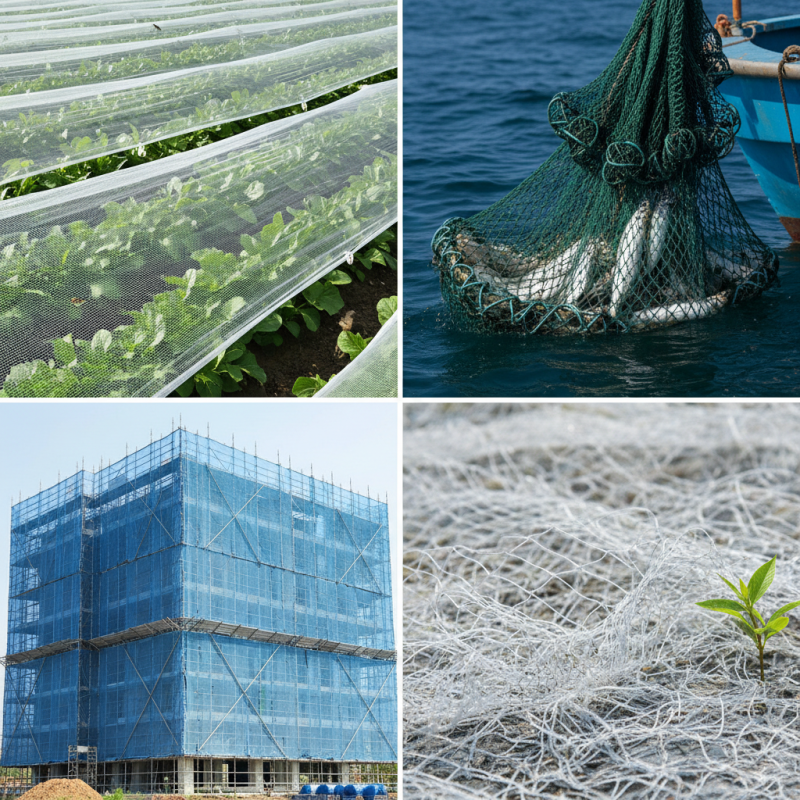
Applications of Nylon Netting Fabric in Agriculture and Horticulture
Nylon netting fabric is gaining popularity in agriculture and horticulture. Its strength and durability make it ideal for various applications. For instance, farmers use nylon nets to protect crops from pests and birds. This method helps to ensure better yields while reducing the reliance on chemicals.
In horticulture, nylon mesh is often used in greenhouse construction. It allows for optimum ventilation and light transmission. This combination promotes healthy plant growth. Gardeners also appreciate using nylon netting for supporting climbing plants. The lightweight material helps plants grow upwards without causing damage.
However, the use of nylon netting is not without challenges. Over time, exposure to UV rays may degrade the fabric. Regular inspection for wear and tear is essential for maintaining effectiveness. Additionally, nylon is often not biodegradable, raising environmental concerns. Exploring alternatives could lead to more sustainable practices in the long run.
Industrial Uses of Nylon Netting Fabric in Manufacturing and Construction
Nylon netting fabric is invaluable in manufacturing and construction. Its strength and versatility make it ideal for various applications. In construction, nylon nets support scaffolding and protect workers from falling debris. They also function as safety barriers, which reduce accidents on job sites. The lightweight nature of the fabric allows for easy installation and transport.
In manufacturing, nylon netting plays a crucial role in filtration systems. These nets help filter out particles in air and liquids, ensuring product quality. Additionally, they are used in packaging due to their durability and resistance to wear. This fabric can protect goods during transit, minimizing damage.
**Tips:** When selecting nylon netting fabric, consider the specific requirements of your project. Evaluate factors such as weight, strength, and environmental exposure. Proper maintenance is key. Regularly inspect the netting for wear and tear. Make necessary repairs to prolong its lifespan and effectiveness.
Top 10 Uses for Nylon Netting Fabric in Global Markets
| Use Case |
Industry |
Key Benefits |
Estimated Global Demand (Metric Tons) |
| Safety Nets |
Construction |
Durable, UV resistant, high tensile strength |
50,000 |
| Agricultural Nets |
Agriculture |
Lightweight, breathable, protects crops |
30,000 |
| Fish Nets |
Fishing |
Resistant to water, abrasion, and chemical damage |
20,000 |
| Transport and Packaging |
Logistics |
Lightweight, durable, cost-effective |
15,000 |
| Industrial Mesh Screens |
Manufacturing |
High strength, custom dimensions available |
40,000 |
| Furniture Upholstery |
Furniture |
Comfortable, easy to clean, variety of colors |
12,000 |
| Load Bearing Tarps |
Logistics |
Water resistant, strong, portable |
18,000 |
| Sports Nets |
Sports |
Durable, weather-resistant, strong |
25,000 |
| Medical Netting |
Healthcare |
Biocompatible, sterile, strong |
10,000 |
| Geotextiles |
Civil Engineering |
Soil erosion prevention, durable |
22,000 |
Role of Nylon Netting Fabric in Sports and Recreation Equipment
Nylon netting fabric plays an essential role in sports and recreation equipment. It is
lightweight yet strong, making it a
popular choice for various applications. From training nets for baseball to safety nets for climbing,
nylon offers durability and flexibility.
The fabric can withstand rigorous use in diverse conditions.
Nylon’s versatility means it can be customized for your specific needs. Think about volleyball nets
or pool safety barriers. Each application requires unique properties, such as
UV resistance or water repellent features. Using the right type of nylon can enhance
performance significantly.
Tip: When choosing nylon netting, consider the weight and gauge. A heavier gauge provides more
strength but may be less flexible. Balance is key.
Despite its numerous advantages, nylon netting may degrade over time. Frequent exposure to sun and
elements causes wear. Regular inspections and maintenance extend its lifespan. Knowing the signs
of wear can help you make informed decisions for repairs or replacements.
Tip: Store nylon netting indoors during harsh weather. It helps preserve its integrity and
performance in the long run.
Nylon Netting Fabric in the Fishing and Aquaculture Industries
Nylon netting fabric has become essential in fishing and aquaculture industries. Its durability and flexibility make it ideal for various applications. A report by the Food and Agriculture Organization indicates that global fish production reached 179 million tons in 2020. The demand for strong and reliable netting has surged alongside this growth.
In aquaculture, nylon netting protects fish from predators while maintaining water flow. It minimizes the risk of diseases, which can devastate stocks. Moreover, studies show that nylon nets can enhance oxygen exchange in water bodies, crucial for fish health. This has resulted in higher survival rates and improved yield. However, the environmental impact raises concerns. Improper disposal of nylon nets contributes to ocean pollution, necessitating a rethink from the industry.
The fishing sector also benefits from nylon netting. It withstands harsh marine conditions, increasing longevity. Despite its advantages, the netting can be costly, especially for small-scale fishermen. Maintaining balance between efficiency and sustainability is vital. The conversation around eco-friendly practices is growing, emphasizing the need for innovation in materials and techniques. Addressing these challenges is crucial for the future of fishing and aquaculture industries worldwide.
Top 10 Uses for Nylon Netting Fabric in Global Markets
Innovative Uses of Nylon Netting Fabric in Packaging and Transportation
Nylon netting fabric has emerged as a game-changer in the packaging and transportation sectors. Its lightweight yet durable nature makes it ideal for safeguarding goods. For instance, nylon netting is commonly used to create protective covers for delicate items during transit. The mesh design allows airflow, which helps prevent moisture buildup that can damage products.
Another innovative use involves the development of reusable packaging solutions. Manufacturers are increasingly opting for nylon netting to create bags for transporting fruits and vegetables. These bags not only minimize waste but also offer visibility, allowing consumers to see the contents easily. However, relying heavily on a single material raises questions about sustainability. The environmental impact of producing nylon should be carefully considered.
In transportation, nylon netting provides secure load stabilization. It secures cargo in shipping containers and trucks, reducing the risk of movement during transit. Despite these advantages, not all cargo may be suited for nylon netting. Fragile objects require additional padding, balancing the benefits of netting with practical limitations. This ongoing evolution signifies both progress and the need for continual improvement in material application.
FAQS
: Nylon netting is used for training nets and safety nets in sports. It is lightweight yet strong.
Nylon fabric can withstand rigorous use. It is durable and flexible for various applications.
Consider weight and gauge. A heavier gauge offers more strength but less flexibility. Balance is important.
Yes, nylon can degrade with sun and element exposure. Regular inspections help identify wear and required maintenance.
It protects fish from predators while allowing water flow. This maintains fish health and boosts survival rates.
Improper disposal of nylon nets contributes to ocean pollution. Industry practices need to shift toward sustainability.
Its durability protects goods during transit. The mesh design allows airflow, reducing moisture buildup.
Yes, reusable nylon netting bags are now used for fruits and vegetables. These minimize waste and improve visibility.
No, fragile items need additional padding. This presents a balance between the benefits of nylon and practical limitations.
The environmental impact of nylon production must be carefully evaluated. Continued innovation in materials is essential.
Conclusion
Nylon Netting Fabric is increasingly recognized for its versatility across various global markets. In agriculture and horticulture, it is utilized for crop protection and support structures, enhancing plant growth while minimizing pest damage. In the industrial sector, this fabric plays a vital role in manufacturing and construction, providing strength and durability for safety nets and barriers.
Moreover, Nylon Netting Fabric is essential in sports and recreation, found in equipment such as nets and bags that require flexibility and resilience. The fishing and aquaculture industries benefit from its use in nets and traps, ensuring efficient catch and livestock management. Additionally, innovative applications in packaging and transportation showcase Nylon Netting Fabric's ability to provide lightweight yet sturdy solutions, further solidifying its importance in various sectors. This combination of features makes Nylon Netting Fabric a valuable material for diverse applications worldwide.

 WEIJIN TEXTILE