Choosing a reliable Nylon Netting Fabric manufacturer takes more than comparing prices or browsing product photos. Mesh opening, yarn thickness, tensile strength, and edge finish can all affect performance. A net that looks suitable on a screen may behave differently under repeated tension or in humid conditions. Small details matter.
This guide introduces ten manufacturers serving different markets and production needs. It considers product range, customization options, quality-control practices, and the clarity of each supplier’s technical information. Buyers may also want to ask about UV-resistant treatments, color consistency, sample availability, and lead times. These details help reveal how well a product fits its intended use, from protective covers to filtration or sports applications. Requirements vary. There is no single best supplier for every project.
The comparison is a starting point, not a substitute for verification. Product specifications and capabilities can change, and published claims do not always tell the whole story. Request current data sheets, inspect samples, and confirm that mesh dimensions match your design before placing an order. A clear answer from a manufacturer is useful; a vague one deserves a second look. Even this shortlist has limits, because regional availability and project-specific needs can shift the result.
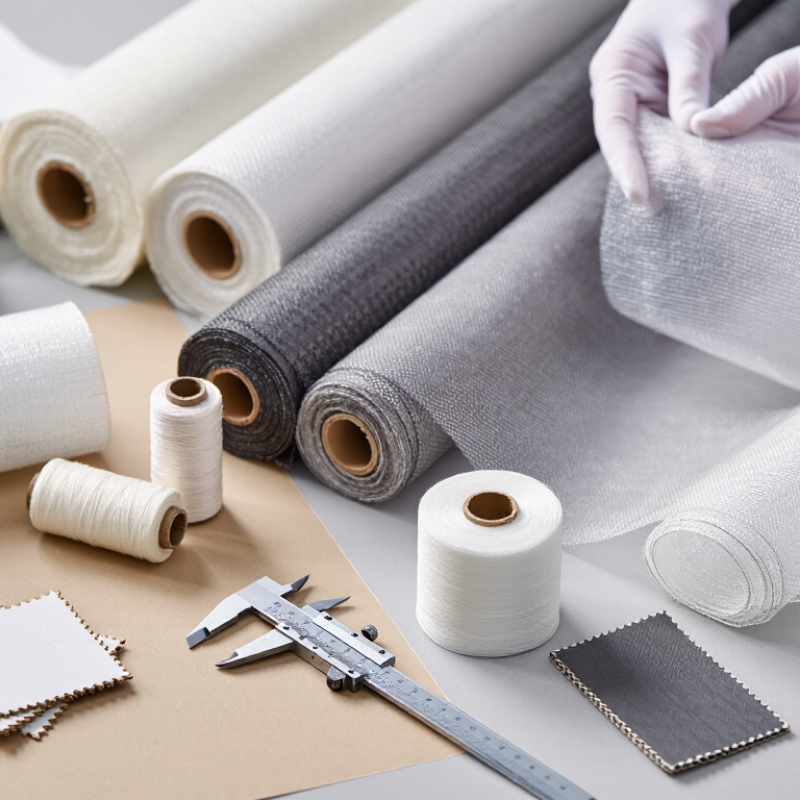
Nylon netting fabric is commonly made from nylon 6 or nylon 6,6 fibers. These polymers create a strong, flexible mesh with good abrasion resistance. In practical use, the fabric bends around curved frames without cracking easily. Its smooth filaments also support repeated handling and cleaning.
Nylon netting performs well in filtration screens, aquaculture enclosures, sports equipment, agricultural covers, and industrial safety barriers. Mesh opening, yarn thickness, and knot construction affect strength and airflow. Nylon absorbs some moisture, which may change its dimensions slightly. Sunlight can also weaken untreated material over time. It is not perfect. Selection should reflect the actual environment, not only the product label.
Tips: Check mesh size with a ruler before ordering. Test a small sample under tension, moisture, and sunlight. For outdoor use, ask for UV-stabilized nylon and inspect edges for fraying. Washing instructions matter, although they are often ignored. A coating may improve weather resistance, but it can reduce flexibility or airflow. Record the fabric’s temperature range and load requirements before installation. This simple documentation helps buyers compare manufacturers more reliably.
Choosing among the top 10 nylon netting fabric manufacturers worldwide requires more than comparing catalog photos. Assess their practical experience with mesh count, denier, roll width, and tensile strength. A capable manufacturer should explain how heat setting affects dimensional stability. Ask for recent test reports, production samples, and batch traceability records. A sample roll should have consistent openings, clean edges, and minimal odor.
Tips: Request a small trial order before signing a large contract. Measure mesh size at several points, then wash and stretch the fabric. Check whether the final width matches the specification. Ask how defects are recorded and replaced. Clear answers matter.
Reliable manufacturers usually describe their inspection process without vague promises. Look for documented quality procedures, calibrated testing equipment, and trained operators. Experience becomes visible in details, such as controlled tension during knitting and careful packaging against moisture. Discuss lead times using actual production schedules, not optimistic estimates. Confirm payment terms, packaging details, labeling, and communication responsibilities in writing. Sustainability claims also need evidence, such as material declarations or waste-reduction records. Certification can help, but it should match the intended application.
Do not choose by price alone.
A cheaper fabric may stretch unevenly or fail after repeated handling. I would also question perfect claims. Manufacturing has variation, and honest suppliers explain acceptable tolerances. One overlooked weakness is after-sales support; delayed responses can cost more than a small unit-price difference. Evaluate the factory’s answers, samples, documents, and consistency together.
This supplier-assessment framework uses practical purchasing criteria for nylon netting fabric. Product quality and consistency receive the highest weighting, followed by compliance, technical capability, delivery performance, customization, and total cost. Buyers should verify each criterion with test reports, samples, production records, and documented quality systems rather than relying only on marketing claims.
Comparing the top 10 nylon netting fabric manufacturers worldwide requires more than checking price lists. Product construction can vary widely. Ask about filament type, mesh opening, twine diameter, knot style, and finishing treatment. Each detail affects airflow, abrasion resistance, stretch, and handling. Samples tell stories. Request a sample roll and inspect it under consistent lighting and tension before approving a specification.
Manufacturers may serve sports, agriculture, aquaculture, or industrial applications, and their strengths are not interchangeable. A supplier experienced with lightweight protective netting may not be the best fit for heavy-duty mesh. Check whether the factory can provide clear specifications, repeatable measurements, and traceable quality records. Ask how it tests breaking strength and dimensional stability. Then compare those results with the conditions your netting will face, such as sunlight, moisture, or frequent contact.
A worldwide “top 10” ranking can shift with application, production capacity, and service needs; no single list fits every buyer. Lead times and minimum order quantities also matter, especially when a project needs several mesh sizes. I have seen buyers focus on tensile strength and overlook edge finishing, only to find installation slower than expected. That is an easy detail to miss. Share a drawing or sample with shortlisted manufacturers, and ask them to explain any limits in plain terms. A careful comparison should leave room for uncertainty, not just impressive claims.
Top 10 Nylon Netting Fabric Manufacturers Worldwide
The leading ten manufacturers differ mainly in product range, production control, and target markets. Some focus on fine mesh for filtration, while others produce heavy netting for agriculture, aquaculture, sports, and industrial protection. Experienced suppliers usually offer several yarn weights, mesh openings, edge treatments, and roll widths. Their factories may include computerized knitting machines, heat-setting equipment, and inspection systems. These capabilities affect tensile strength, dimensional stability, and delivery consistency. A supplier serving medical or filtration markets should provide clear testing records and traceable production data. Marketing language alone is not enough.
Tips: Compare samples under real conditions. Check mesh accuracy, knot strength, selvage quality, and resistance to sunlight or chemicals. Ask for production tolerances, minimum order quantities, and replacement procedures. A small sample can reveal uneven edges or weak stitching.
Market coverage also separates manufacturers. Export-focused producers often support custom packaging, private labeling, and regional shipping requirements. Domestic suppliers may offer faster communication and shorter lead times. However, low pricing can hide limited inspection capacity or inconsistent raw materials. This is where buyers must remain cautious. Even a well-equipped factory can make mistakes during large orders. My own preference is to approve a pilot batch before signing a long-term agreement. It costs more time, but it reduces unpleasant surprises. Reliable comparison requires product evidence, factory experience, and honest attention to weaknesses.
This is an indicative comparison of manufacturing regions, not a ranked or independently verified list of individual companies. Product ranges and capabilities vary by supplier; confirm specifications directly with manufacturers.
| No. | Manufacturing Region | Typical Nylon Netting Products | Common Capabilities to Evaluate | Typical Application Markets | Buyer Considerations |
|---|---|---|---|---|---|
| 1 | China | Knotted and knotless nets; mesh fabrics for sports, aquaculture, agriculture, and general industrial use. | Ask about mesh-size range, yarn denier, UV treatment, color options, panel fabrication, and volume flexibility. | Sports and recreation, fisheries, farming, and industrial supply. | Request test data, material specifications, sample approval, and confirmation of production tolerances. |
| 2 | India | Fishing and aquaculture netting, agricultural mesh, and general-purpose nylon net fabrics. | Check available knotting styles, twine construction, custom dimensions, edge finishing, and repair services. | Fisheries, aquaculture, agriculture, and domestic or export wholesale markets. | Verify breaking strength, mesh measurement method, and resistance requirements for the intended environment. |
| 3 | Taiwan | Knitted and woven mesh fabrics, sports netting, and lightweight technical net materials. | Compare knitting or weaving options, fabric width, coating availability, color consistency, and conversion services. | Sports equipment, apparel and accessories, industrial mesh, and textile supply chains. | Ask for construction details, dimensional stability data, and samples from the intended production lot. |
| 4 | Japan | Fine-mesh fabrics and nets for industrial, filtration, sports, and specialized technical applications. | Evaluate mesh uniformity, dimensional tolerances, yarn consistency, and documentation for technical grades. | Industrial processing, filtration, sports, and precision textile applications. | Confirm the grade is suitable for the required chemical, temperature, and operating conditions. |
| 5 | South Korea | Sports nets, industrial mesh, and net fabrics made to application-specific dimensions. | Review custom fabrication, edge reinforcement, joining methods, inspection procedures, and traceability options. | Sports facilities, industrial equipment, and specialty textile applications. | Specify load conditions and installation details before comparing quotes or test results. |
| 6 | Germany | Technical and industrial mesh, safety-related netting, and specialty net fabrics. | Check engineering support, documented quality systems, material traceability, and product testing scope. | Industrial, construction, safety, and technical textile applications. | For safety uses, verify applicable standards and product certification for the exact product and application. |
| 7 | Italy | Sports and leisure nets, agricultural mesh, and made-to-measure netting products. | Compare custom sizing, finishing, installation-ready panels, color choices, and small-batch options. | Sports, agriculture, leisure, and specialty netting markets. | Request drawings or a finished sample to confirm fit, edge details, and attachment points. |
| 8 | Turkey | Aquaculture and fishing nets, agricultural netting, and general-purpose mesh products. | Ask about UV stabilization, knot type, net assembly, repairability, and packaging for shipment. | Fisheries, aquaculture, agriculture, and regional export markets. | Assess exposure to sunlight, saltwater, and abrasion, and request test evidence suited to those conditions. |
| 9 | United States | Sports, safety, and industrial netting, including custom-sized or locally converted products. | Evaluate custom fabrication, installation support, lead times, domestic stock, and compliance documentation. | Sports facilities, construction, industrial operations, and specialty applications. | Confirm whether the supplier manufactures the netting or converts imported fabric into finished products. |
| 10 | United Kingdom | Sports and recreational nets, safety netting, and application-specific net assemblies. | Check made-to-measure fabrication, fittings, repair support, product testing, and installation guidance. | Sports, leisure, construction, and specialist industrial markets. | Verify product standards, installation requirements, and whether nylon is appropriate for the specific end use. |
Choosing a nylon netting fabric supplier starts with the job the net must perform. Specify mesh opening, yarn denier, fabric width, expected load, and exposure to sunlight, saltwater, or abrasion. Ask for recent tensile and mesh-opening test results, plus details on UV stabilization and production tolerances. A sample should be checked under realistic conditions, not just inspected under bright showroom lights. Small differences matter.
Industry figures offer context, but they are not a substitute for product testing. Grand View Research valued the global nylon market at USD 31.56 billion in 2023; that figure covers nylon broadly, not netting alone. FAO’s 2024 report recorded 223.2 million tonnes of fisheries and aquaculture production in 2022, underscoring the scale of applications that may use netting materials. Ask suppliers to identify the test method, sample batch, and date behind each claim. Compare lead times, minimum order quantities, and consistency between batches, too. A low quote can become costly if mesh dimensions drift or delivery slips. One detail is easy to overlook: confirm that the supplied sample matches the production specification. Supplier paperwork helps, but it does not replace a practical trial.
It is usually made from nylon 6 or nylon 6,6 fibers. These fibers create flexible, abrasion-resistant mesh.
Common uses include filtration screens, aquaculture enclosures, sports equipment, agricultural covers, and safety barriers.
Mesh opening, yarn thickness, knot construction, and roll width affect strength and airflow. Small differences matter.
Yes. Nylon absorbs some moisture, which may slightly change its dimensions. Wash and stretch a sample before ordering.
Measure openings with a ruler at several points. Then test the sample under tension, moisture, washing, and sunlight.
Request samples, recent test reports, and batch records. Check clean edges, consistent openings, low odor, and accurate width.
No. A cheaper fabric may stretch unevenly or fail after repeated handling. Price matters, but it is not enough.
Ask about tolerances, lead times, testing equipment, defect replacement, packaging, payment terms, and communication duties. Get answers in writing.
It is often useful because sunlight can weaken untreated nylon. However, coatings may reduce flexibility or airflow.
Approve a pilot batch before a long contract. Compare samples, documents, factory answers, and consistency together. No supplier is flawless.
Nylon Netting Fabric is valued for its lightweight structure, strength, flexibility, and ability to support airflow and visibility. Depending on its yarn, mesh size, coating, and construction, it can serve a wide range of needs, from industrial screening and protective covers to sports, agricultural, and general-purpose applications. Understanding these material properties helps buyers identify the right balance of durability, openness, and performance for their intended use.
When comparing manufacturers, consider their product range, customization options, production capacity, quality-control practices, and experience serving relevant markets. The leading suppliers may differ in mesh specifications, finishing capabilities, order flexibility, and delivery support, so the best choice depends on the project rather than a single ranking. Before selecting a Nylon Netting Fabric supplier, define your application and technical requirements, request suitable product details or samples, and compare consistency, service, and overall value.