The demand for Mesh Net Fabric is growing rapidly in various industries such as fashion, sports, and filtration. According to a recent report by Market Research Future, the global mesh fabric market is projected to reach $3.5 billion by 2026, indicating a significant expansion. Industry expert Dr. Emily Carter states, "Mesh Net Fabric is essential for both functionality and aesthetics across numerous applications."
As buyers seek diverse options, understanding the top mesh net fabric types becomes crucial. These fabrics offer unique qualities such as breathability, durability, and versatility. However, not all fabrics deliver the expected performance. This calls for careful selection based on specific needs and industry standards.
Amidst this growth, it’s important to note that some manufacturers still compromise on quality to cut costs. This can lead to a gap between expectations and reality. Hence, gaining insights into the best types available in the market remains essential for informed purchasing decisions.
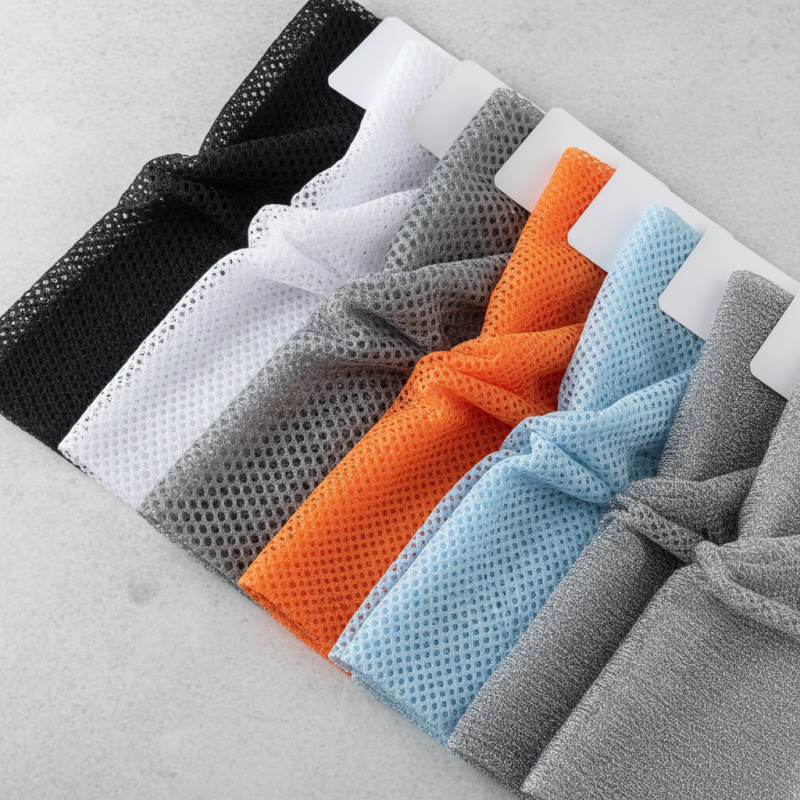
Overview of Mesh Net Fabric Types Available in 2026
In 2026, the mesh net fabric market showcases a variety of types catering to diverse global needs. Each type of mesh offers unique features suited for specific applications. For example, polyester mesh is popular for its durability and resistance to environmental elements. It is often used in outdoor settings. Lightweight mesh, on the other hand, sees extensive use in sports apparel, providing breathability and comfort.
The versatility of these fabrics makes them appealing to both manufacturers and consumers. However, not all types perform equally well in every situation. Some may lack adequate strength while others may not hold up against UV rays. This inconsistency requires careful consideration. Buyers must evaluate their specific needs against the properties of the mesh fabric they choose.
Furthermore, the production methods can vary significantly, impacting quality. Sustainable practices are increasingly valued, yet some manufacturers may not fully adopt them. While choices abound, there’s a clear need for careful research. Understanding the subtle differences in mesh types empowers buyers to select the best fit for their projects.
Key Features and Benefits of Popular Mesh Fabrics for Buyers
When exploring mesh net fabrics for 2026, buyers must consider various key features and benefits. One popular type is lightweight mesh, which is known for its breathability. This quality makes it ideal for sportswear and outdoor activities. Its ventilated structure allows for air circulation, keeping the wearer cool. However, the lightweight nature may affect its overall durability.
Another favored option is heavy-duty mesh, which is designed for strength. This fabric type is resistant to tearing and fraying. It's commonly used in industrial applications and outdoor furniture. While heavy-duty mesh offers excellent durability, it may lack the flexibility found in lighter materials. This trade-off can limit its use in fashion-forward designs.
Buyers should also acknowledge the versatility of mesh fabrics. They can be dyed in various colors and patterns. This feature allows for creativity, meeting different aesthetic demands. Yet, the dyeing process may introduce variability in color consistency. Understanding these nuances can help buyers make informed decisions, balancing style and functionality in their choices.
Applications and Industries Utilizing Mesh Net Fabrics
Mesh net fabrics have diverse applications across various industries. In the fashion sector, these fabrics are popular for their lightweight and breathable qualities. Designers often use mesh for activewear, swimwear, and even evening dresses. The unique textures offered by mesh also add a stylish element to clothing.
In the construction industry, mesh fabrics play a crucial role in safety and reinforcement. They provide essential support in scaffolding and safety nets. Their durability ensures that they can withstand harsh environmental conditions. This makes them a reliable choice for contractors.
Tips: Always consider the weight and breathability of mesh fabrics. This can significantly influence the final product. Also, be mindful of the intended use. Some mesh types are better for certain applications than others. Evaluating these factors can lead to better decisions in fabric selection.
Factors to Consider When Choosing Mesh Net Fabrics
When selecting mesh net fabrics, several factors come into play. Consider the intended use. Different applications, such as sportswear, home decor, or industrial uses, require varied fabric types. For instance, breathable mesh suits athletic clothing well, while more durable options are better for industrial needs.
Quality is another crucial aspect. Look for fabrics with strong tensile strength and resistance to wear and tear. Lightweight options can be great for versatility, but they might lack durability in demanding environments. It’s essential to strike a balance between weight and resilience.
**Tips:** Always request samples before making bulk purchases. This helps assess texture and strength. Don’t overlook care instructions; some fabrics may require special handling, which could impact their longevity.
Evaluating the sourcing is vital as well. Ethical production methods reduce environmental impact and often yield higher quality products. Transparency in supply chains reflects reliability and builds trust between buyers and suppliers. Remember, not every fabric will meet all your needs, so reflect on which features are most important to you.
2026 Top Mesh Net Fabric Types for Global Buyers
Future Trends in Mesh Net Fabric Development and Usage
The mesh net fabric market is evolving rapidly. Innovations in material technology are shaping future trends. As sustainability becomes vital, recycled materials gain traction. A recent industry report indicates that the global demand for eco-friendly fabrics is projected to grow by 30% by 2026. This shift raises questions about production practices and sourcing methods.
Another significant trend is the demand for multifunctional mesh fabrics. These fabrics are used in diverse applications, from sportswear to industrial purposes. With the increasing focus on performance, manufacturers are exploring new blends that enhance durability and comfort. The performance fabric market was valued at approximately $15 billion in 2022, indicating robust growth potential.
Despite these advancements, challenges remain. Quality control in manufacturing is crucial. The need for rigorous testing ensures fabric longevity and safety. Industry players must navigate these complexities. Overall, mesh net fabric development showcases exciting possibilities while highlighting areas for improvement. Addressing these issues will pave the way for a more innovative future in the textile industry.
FAQS
: Various types include polyester mesh, lightweight mesh, and heavy-duty mesh. Each serves different needs.
Lightweight mesh offers breathability, making it great for sportswear and outdoor activities. However, it may not be very durable.
Heavy-duty mesh provides strength and resistance to tearing. It’s used in industrial applications but lacks flexibility.
Buyers must evaluate specific needs against the properties of each fabric type available. Research is essential.
Yes, sustainable practices are increasingly valued. However, not all manufacturers fully adopt these methods yet.
The demand for eco-friendly materials is expected to grow by 30%. This shift raises sourcing questions.
Rigorous testing is crucial to ensure fabric longevity and safety, addressing potential inconsistencies in production.
Yes, mesh fabrics can be dyed in various colors. However, this process might lead to color consistency issues.
There is a growing demand for fabrics that combine durability and comfort for various applications, including sportswear.
Challenges include quality control and the need for innovation in materials. These areas require ongoing attention and improvement.
Conclusion
In 2026, the landscape of Mesh Net Fabric showcases a diverse range of types, each tailored to meet the growing needs of global buyers. This overview highlights key features and benefits of popular mesh fabrics, emphasizing their durability, versatility, and applications across various industries, such as construction, fashion, and sports. Buyers are guided through essential factors to consider when selecting the right mesh net fabric, including weight, strength, and permeability.
Looking ahead, future trends in mesh net fabric development point towards increased customization and sustainability, with innovative materials and manufacturing processes designed to enhance performance while reducing environmental impact. As industries continue to evolve, mesh net fabrics will play an essential role, reflecting the dynamic requirements of modern usage and consumer preferences.

 WEIJIN TEXTILE