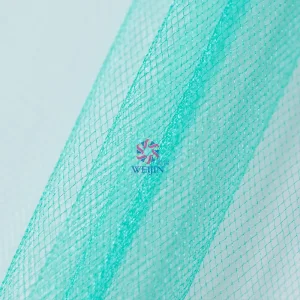
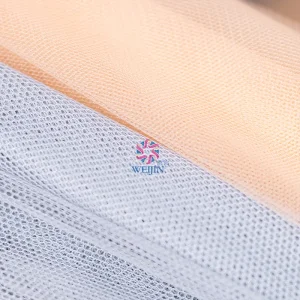
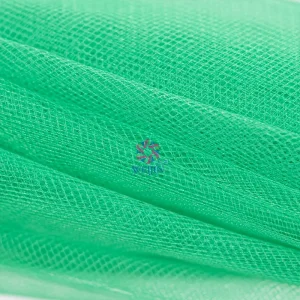
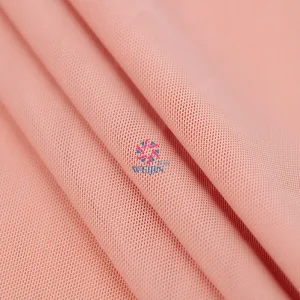
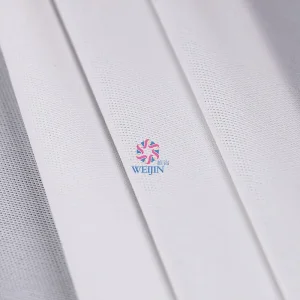
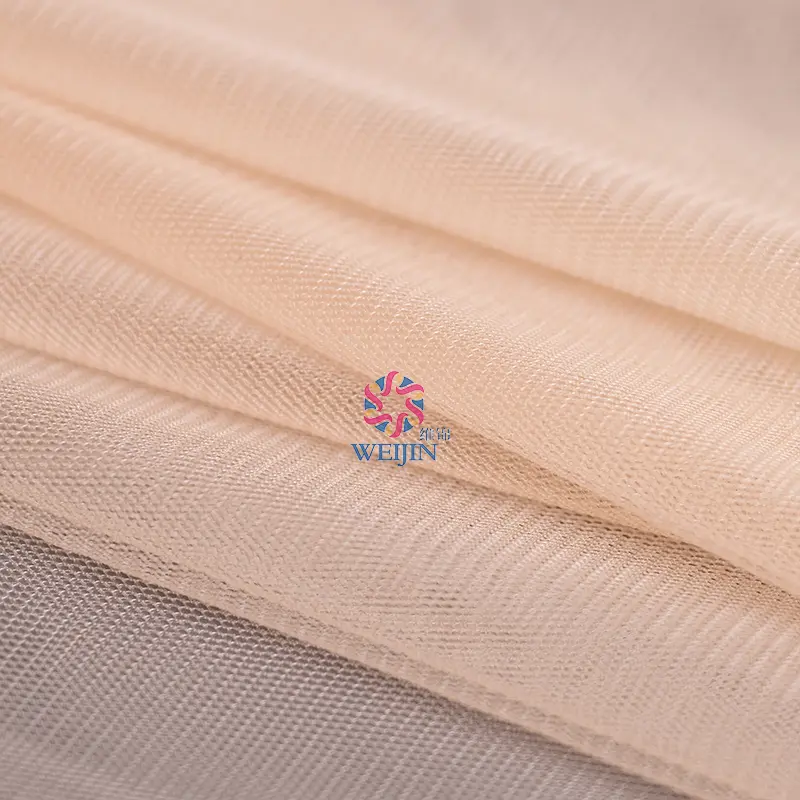
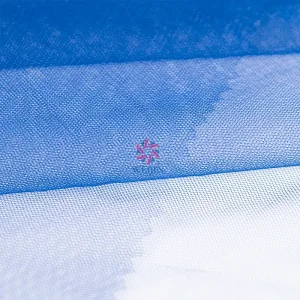
An in-depth look at how finishing techniques dictate the performance, structural durability, and touch of warp-knitted mesh fabrics across modern industrial and high-fashion sectors.
The performance of any finishing mesh fabric is rooted in chemical design. Nylon (Polyamide 6 & 66) offers exceptional tensile recovery and smoothness, ideal for intimate apparel and bridalwear. Polyester (Polyethylene Terephthalate) yields superior hydrophobic performance and UV resistance, serving industrial filters and digital printing backdrops.
Thermal dimensional stabilization is critical. Our modern factories utilize state-of-the-art tentering machines where heat settings between 180°C and 210°C locked in mesh shape, avoiding post-cutting shrinkage. Proper thermal adjustment regulates elasticity and elasticity profiles for technical activewear applications.
We provide chemical post-treatment applications, ranging from hydrophilic agents for active moisture management to antistatic finishes for safety wear. Specialty finishes also include optical brighteners, UV block coatings, luminous dyes, and flame retardants certified to international standards.
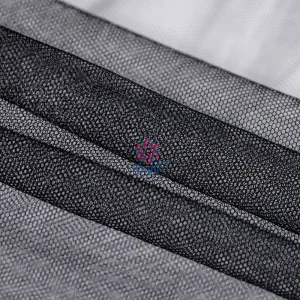
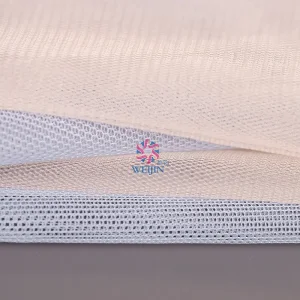
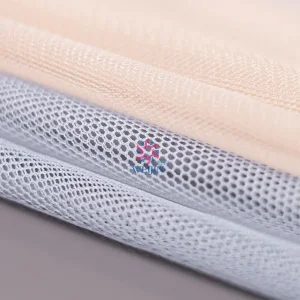
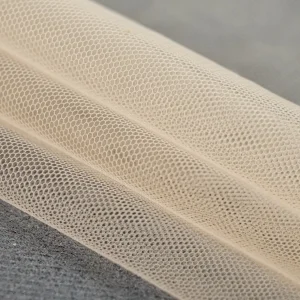
Explore our highly-acclaimed mesh solutions, engineered with advanced finishes for fashion, industrial, and medical applications.
Global clients frequently ask: Why source finishing mesh fabric from Fujian Changle? The answer lies in the highly dense textile ecosystem and unmatched raw material integration.
Fujian Weijin Textile Technology Co., Ltd. resides in Changle Jinfeng, a globally prominent warp knitting hub in China. Within a 50-kilometer radius, we source high-grade polyamide chip supplies, elastomeric polymers, and specialized dyes. This geographical proximity reduces transit time, lowering carbon footprints and maximizing manufacturing efficiency.
Additionally, the proximity of Fuzhou Changle International Airport (10 km away) and Fuzhou Mawei Port (20 km away) optimizes our logistics route. B2B global clients benefit from expedited sea-air intermodal transport, shrinking lead times by up to 15 days compared to inland manufacturers.
Providing specialized structures and tactile properties for divergent global market demands.
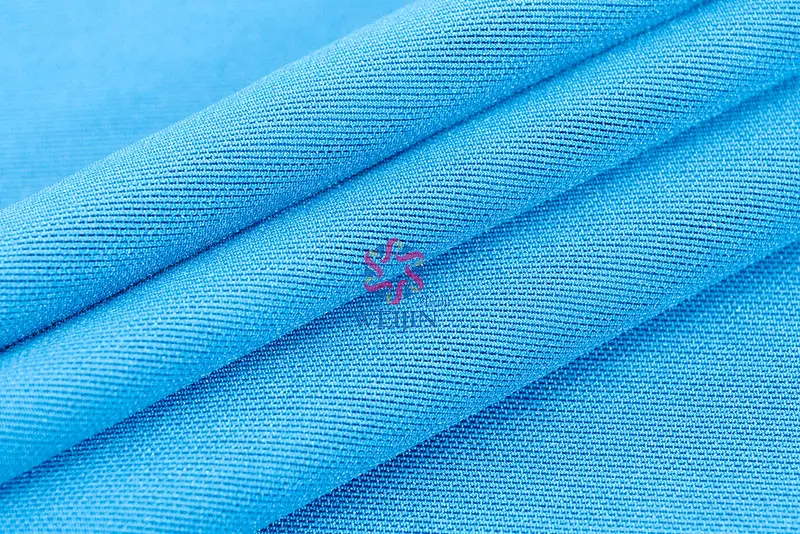
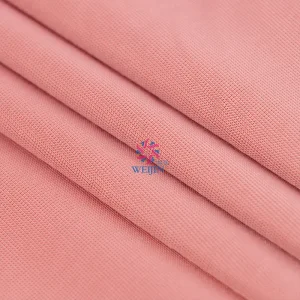
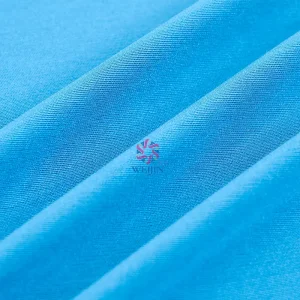
High-stretch, high-recovery spandex and nylon/polyester blends for sportswear, shapewear, and active apparel linings. Designed to withstand intensive movement without deformation.
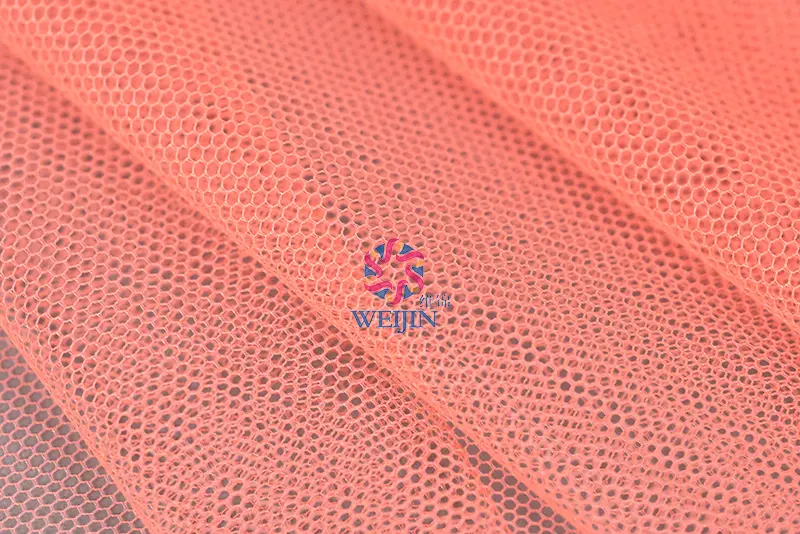
Ultra-sheer background mesh optimized for high-density stitching. Serves haute couture designers who demand consistent tensile strength during automatic mechanical embroidery.
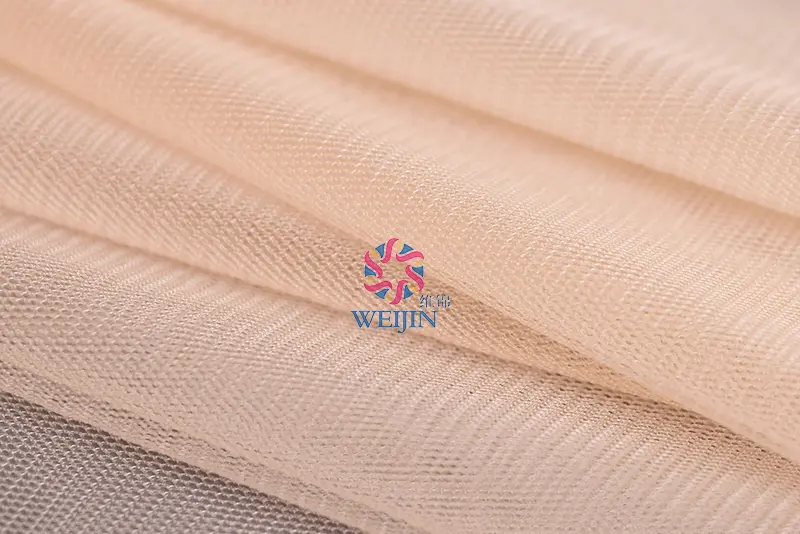
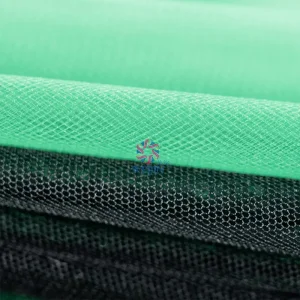
Hexagonal and diamond structures ranging from 15D to 40D, offering an elegant drape, excellent sheerness, and customizable stiffness parameters.
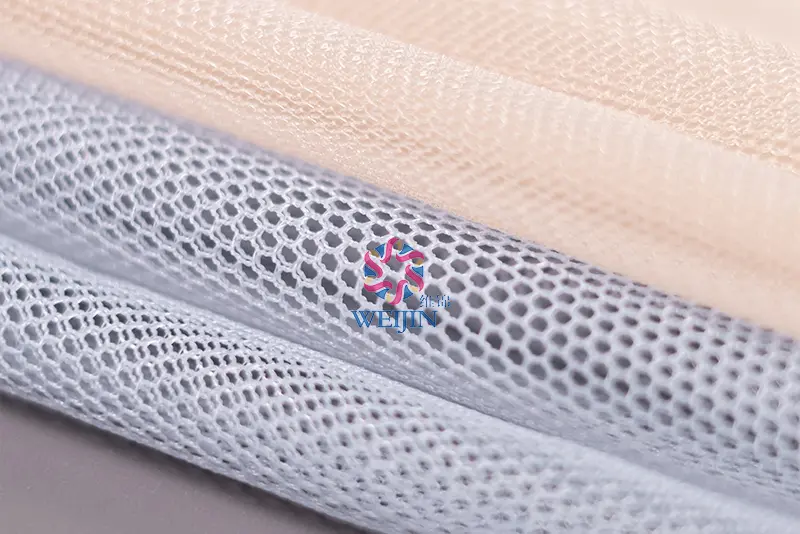
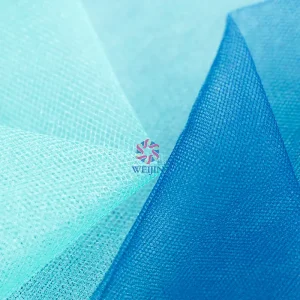
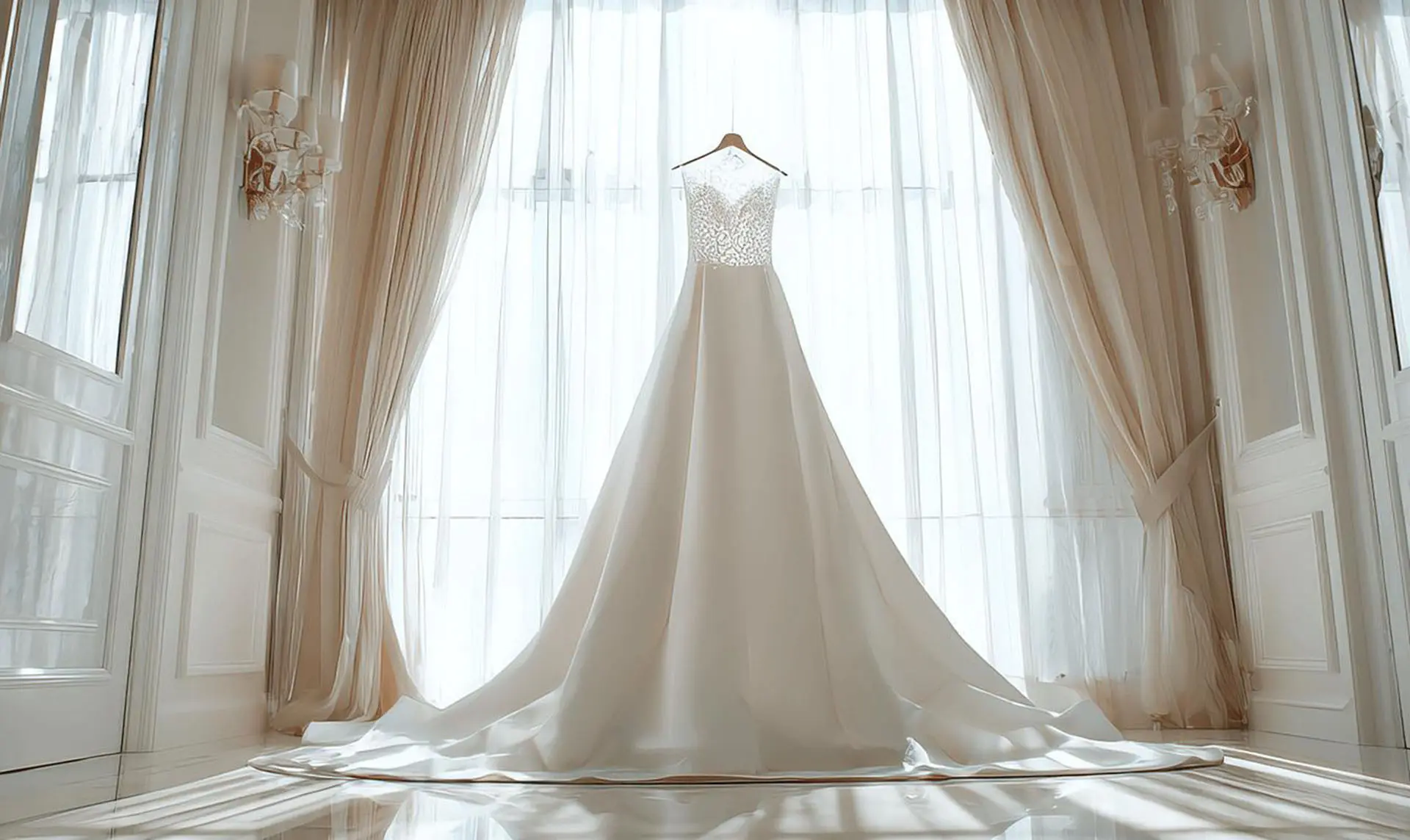
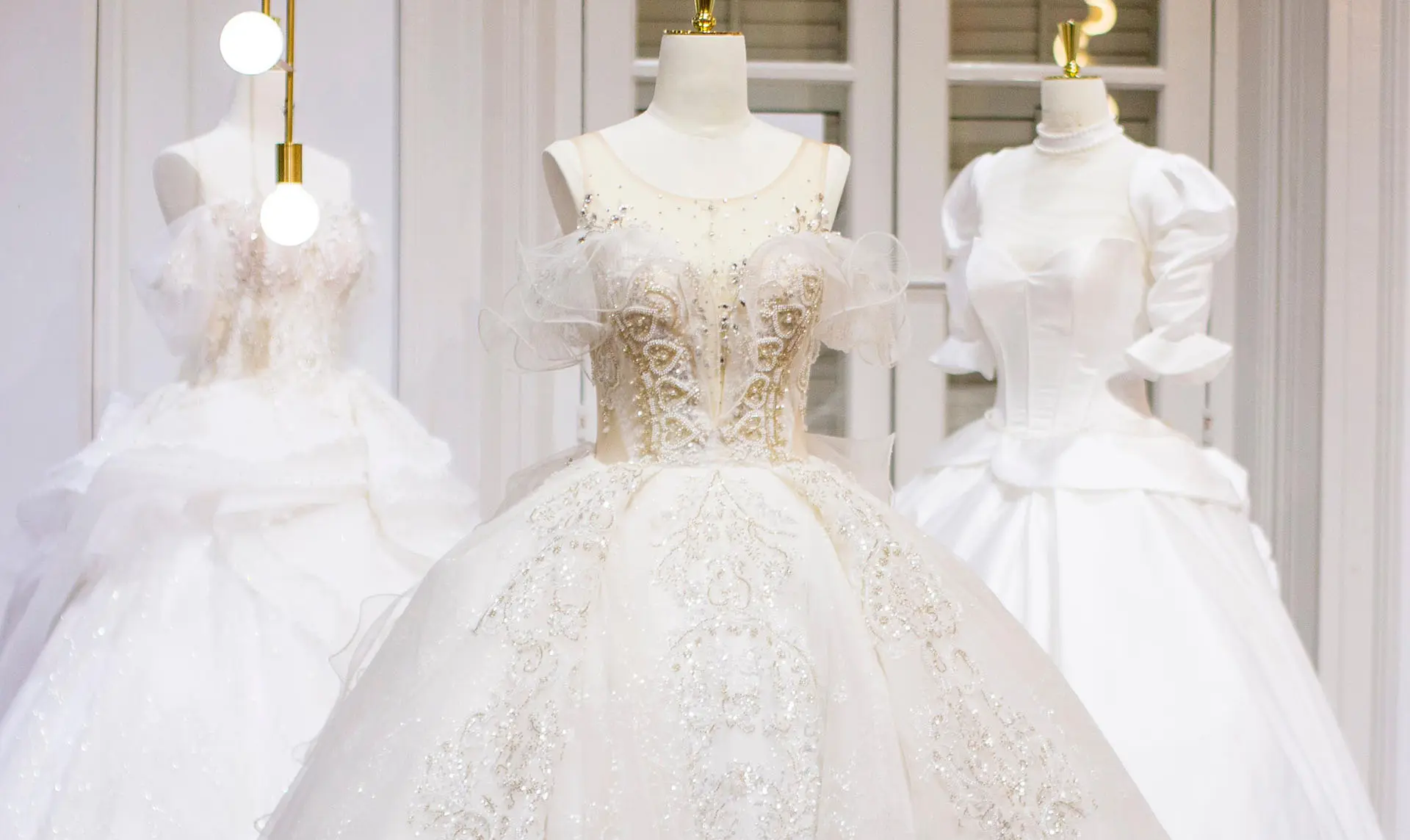
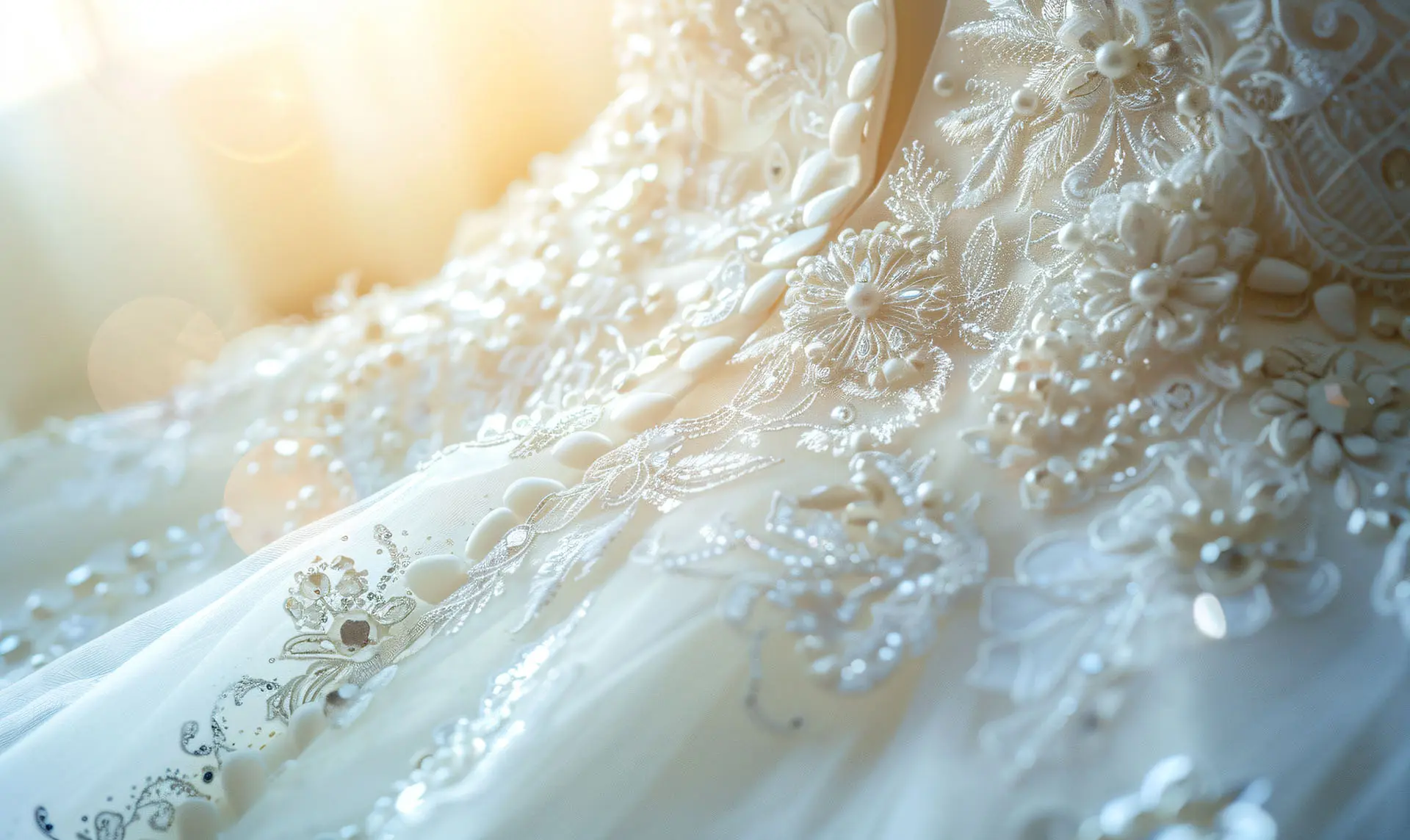
Our signature high-grade illusion netting. Features soft textures, dimensional resilience, and high transparency tailored for bridal gowns.
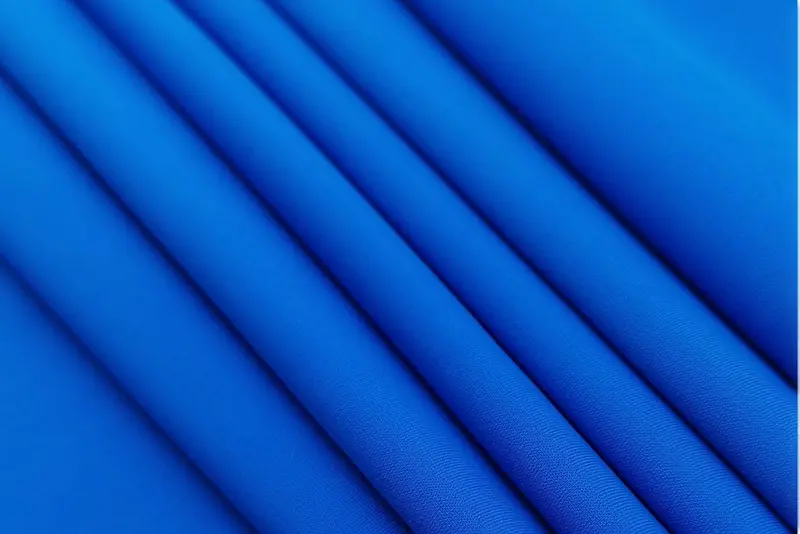
Chlorine-resistant and salt-water tolerant finishes. Formulated to preserve vibrant prints and bright whites under intense UV exposures.
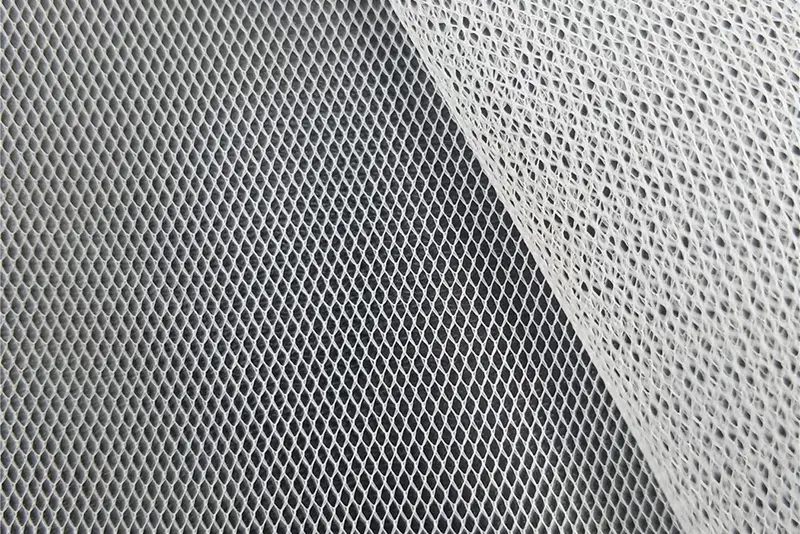
Acoustically neutral or structurally stiffened mesh formulations designed for industrial lining, speaker grilles, and protective screening projects.
Our commitment to rigorous international standards is validated by global certifications and industry compliance audits.
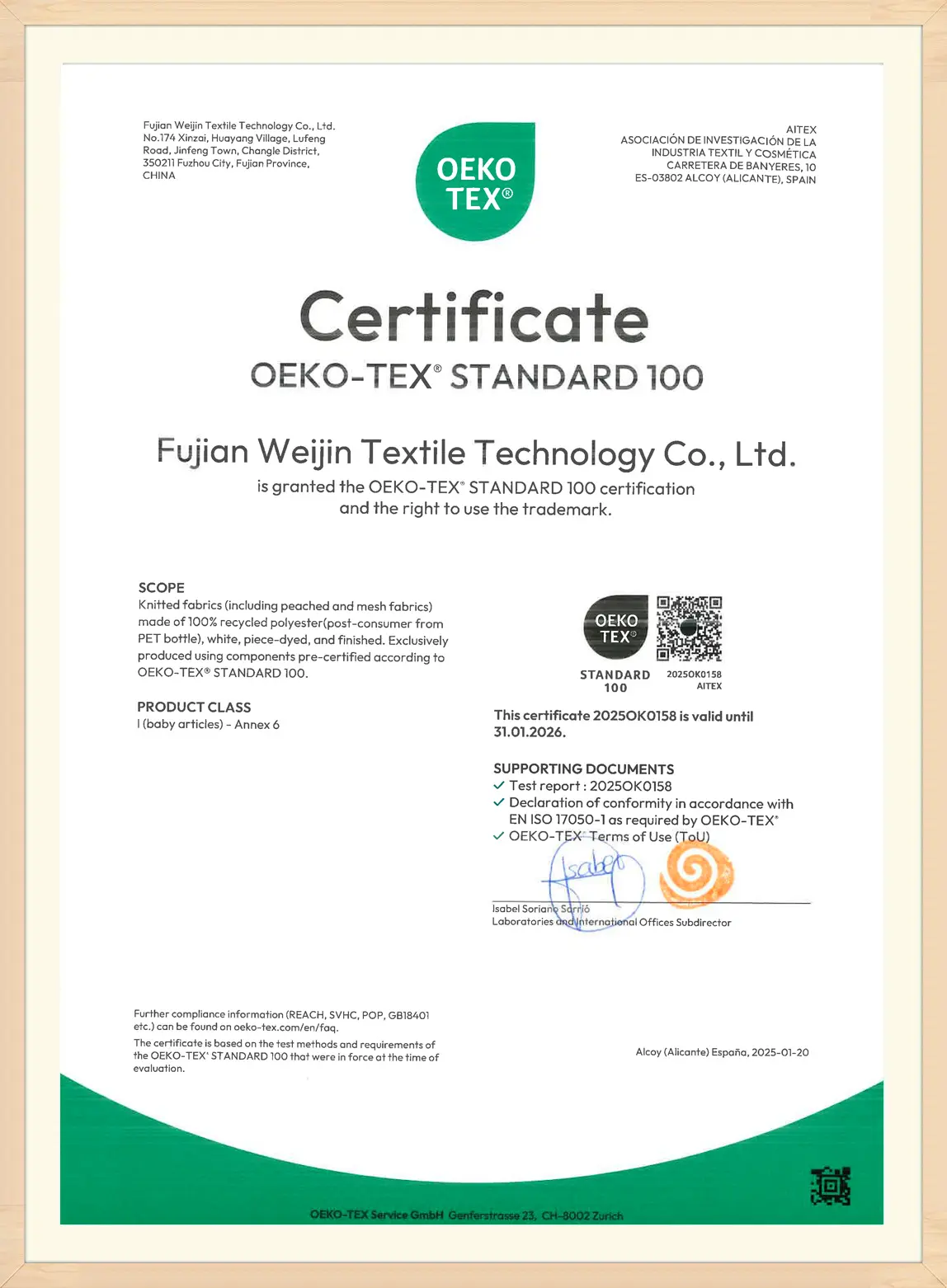
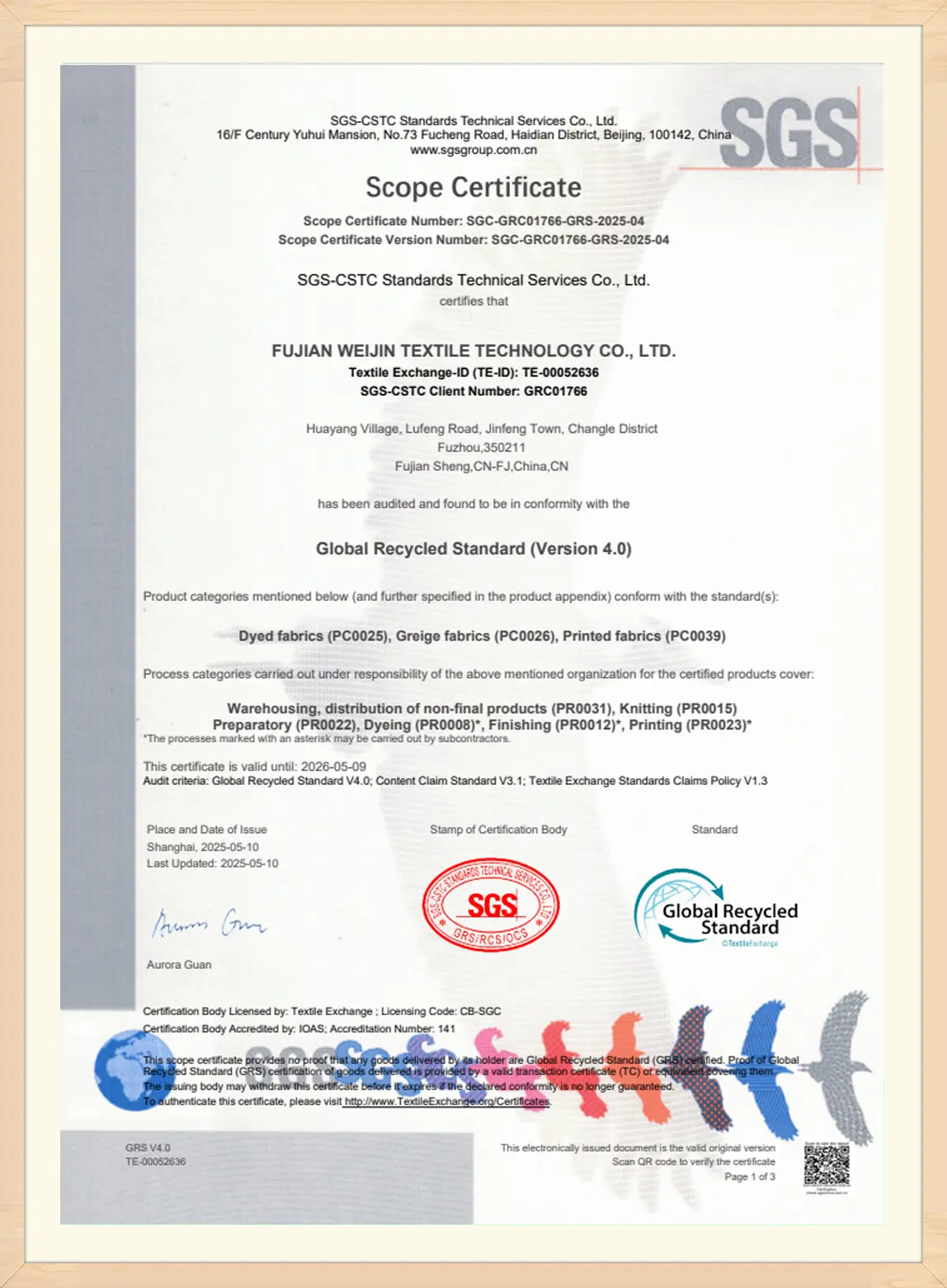
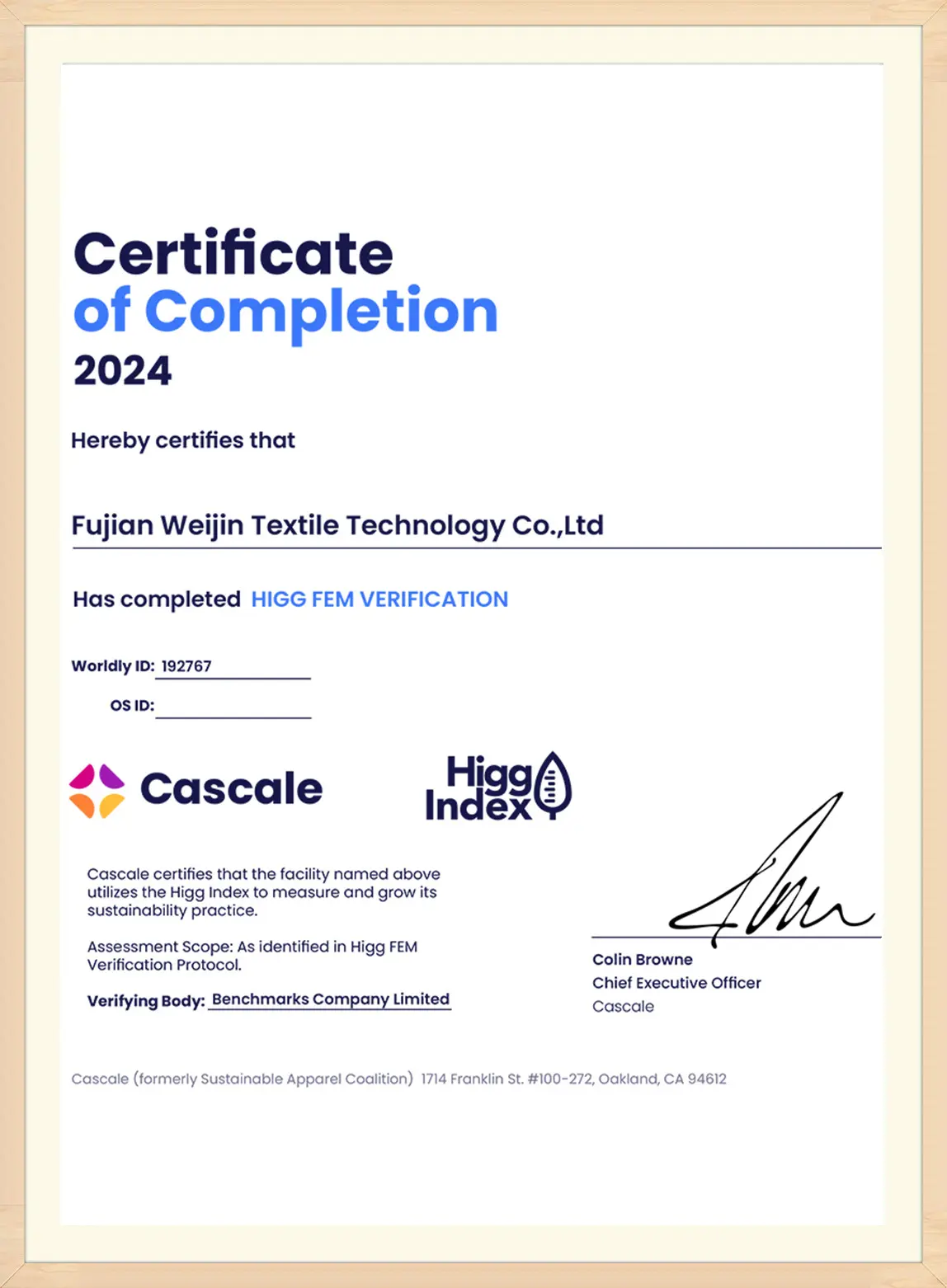
Step inside our physical manufacturing facilities, laboratory divisions, and raw fabric showcases online.


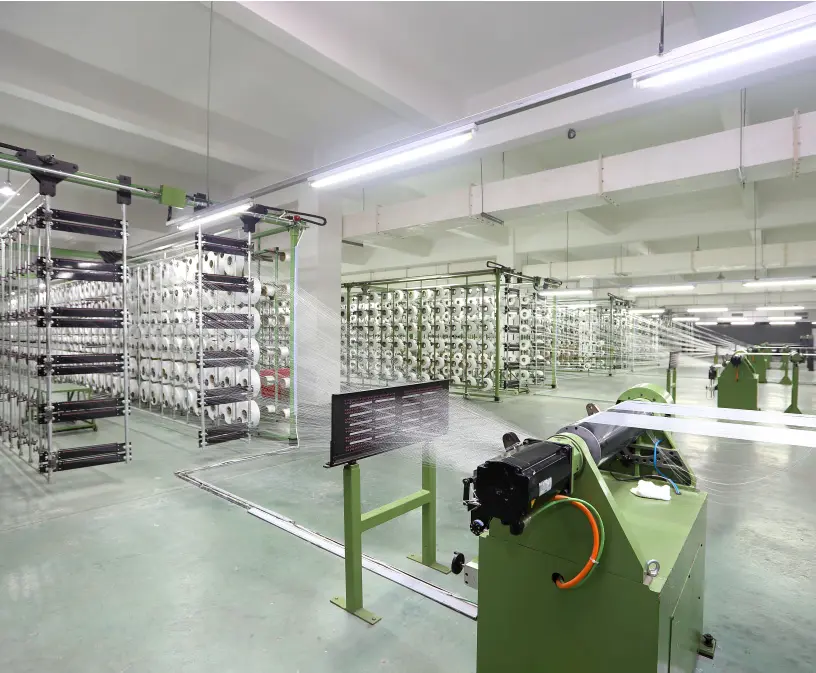
Observe the raw mechanical power of high-speed Karl Mayer warp knitting looms and automatic finish processing lines.
High-end mesh fabrics production loop.
Precise temperature and sizing controls.
Ensuring zero defects for premium shipments.
Optimized packaging ready for Mawei Port export.
Analyzing key market application scenarios, sustainability trends, and procurement variables essential for purchasing directors.
Global regulations and conscious consumer bases demand environmental transparency. The demand for Global Recycled Standard (GRS) certified polyester yarn and ocean-recycled nylon has increased dramatically. By implementing eco-friendly heat setting finishes and low-impact reactive dyes, our factory helps brands capture green markets without compromising tactile refinement.
Skin contact applications necessitate skin-friendly finishes. This demands formaldehyde-free formulation, soft silicone emulsion coatings, and anti-abrasion edge stability. Modern intimate brands rely heavily on elastic mesh fabrics ranging from 120GSM to 200GSM for compression characteristics combined with breathability.
Looking beyond garments, finishing mesh fabric covers industrial filtration membranes, acoustic dampening sheets, and medical wound care materials. Our 10x10in medical-grade mesh gauze incorporates strict degreasing and sterilization-compatible finishes, meeting international biological safety thresholds.
A crucial factor in mesh design is selecting the correct fiber Denier (denier denotes filament weight per 9000 meters). Our production specializes in:
Explore our specialized industrial, elastic, and luminous mesh series with customizable dimensions and colors.
Crucial guidelines and technical responses addressing direct engineering queries raised by procurement teams worldwide.
Nylon mesh fabric offers exceptional wear resistance, elasticity, and a softer hand feel, making it perfect for bridal tulle and intimate apparel. However, nylon is relatively sensitive to UV light and tends to degrade under prolonged sunlight exposure. Polyester mesh is highly hydrophobic (repelling moisture), has superior dimensional stability under varying temperatures, and has high UV resistance. Polyester is preferred for digital printing, industrial filters, and swimwear applications.
Our elastic fabrics, such as the 5570 Nylon-Spandex (120GSM) or 75280 Polyester Ammonia Net (200GSM), use high-purity spandex yarns. Crucially, the elasticity is locked in using computer-controlled tenter frames. We maintain strict control over heat-setting parameters (typically 185°C to 195°C with a target dwell time of 30-45 seconds) to prevent fiber thermal damage, ensuring recovery rates meet standard ASTM requirements.
Yes. All of our dyes and post-finishing additives are certified under international ecological standards, including OEKO-TEX Standard 100. They are free from harmful heavy metals, formaldehyde, and alkylphenol ethoxylates (APEO). We run specialized washing cycles to ensure the pH of the final mesh fabric is skin-neutral (typically 5.5 to 7.0), making them safe for underwear, sportswear, and baby clothing linings.
For embroidered background mesh (like our 20D polyester/nylon embroidered mesh), we apply a specialized stiffening agent during the post-finishing process. This creates a temporary stiffness that prevents the mesh structure from shifting or puckering under the tension of high-speed embroidery needles. If requested, this finishing agent can be easily washed out during post-embroidery processing, returning the mesh to its original soft texture.
We are located in Changle Jinfeng, a major warp knitting hub in China. We enjoy direct access to deep-water ports like Fuzhou Mawei Port (20 km away), which connects to global sea lanes, and Fuzhou Changle International Airport (10 km away) for air freight. This strategic position allows us to load, clear customs, and ship containers faster, reducing domestic shipping costs and global lead times.
Stay up to date with the latest innovations in fiber finishes, warp knitting technology, and fashion material trends.
"Bing Si" is a trade name for a type of chemical fiber, specifically a foreign product name for a modified viscose fiber. This fabric exhibits su...
An in-depth analysis of Korean silk variants, weight characteristics, and suitability for drapery and bridal linings.
The difference between nylon and polyester. Both nylon and polyester are very common fabrics in our daily lives, but no one can clearly explain t...
If lace wedding dress is the embodiment of romance, then satin wedding dress is a symbol of luxury and elegance. Satin, with its smooth an...
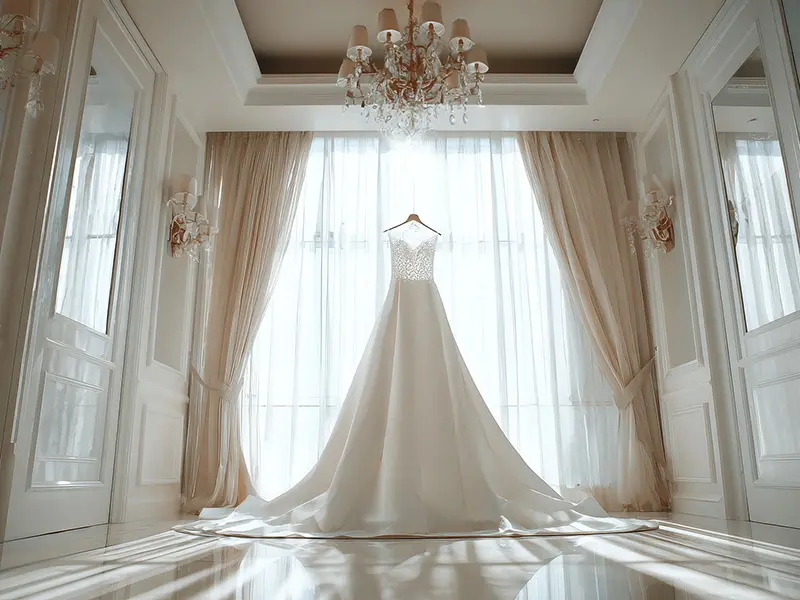
In the world of wedding dress design, lace has always occupied an irreplaceable core position. With delicate texture and soft patterns, it interp...
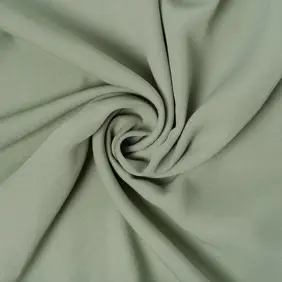
Polyester fiber fabric is a synthetic fiber obtained by spinning polyester, which is condensed from organic dicarboxylic acids and diols. The res...
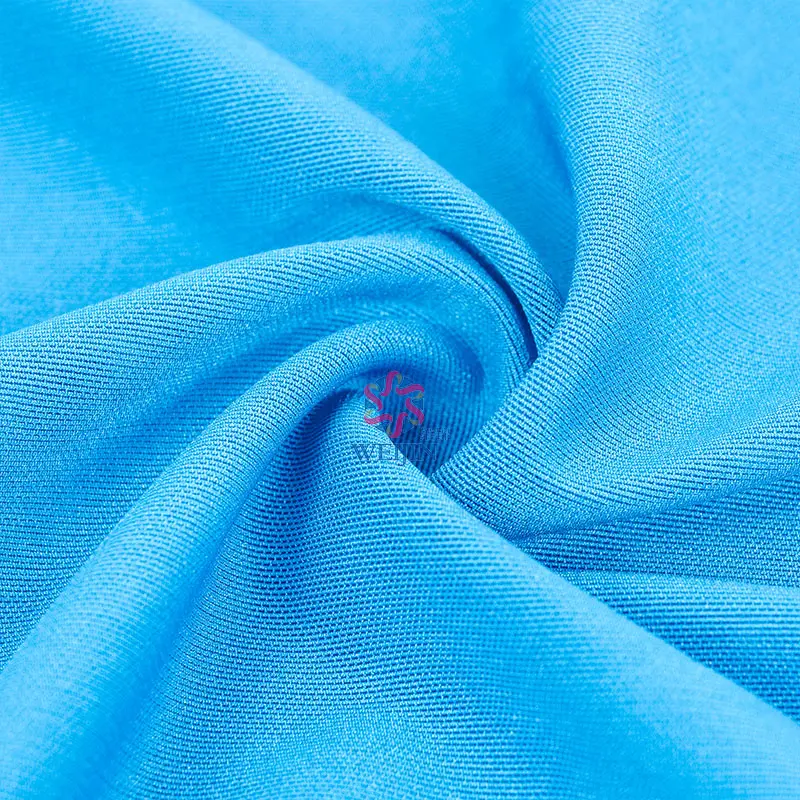
Printed fabrics, in short, are made by printing and dyeing dyes on fabrics. Unlike jacquard, printing involves first weaving the raw fabric and t...
Daily maintenance precautions for wedding fabric 1、 Things to do before storage First, remove the stains Hand...
Characteristics of commonly used wedding fabrics1. SatinStrong luster, available in high-end, matte/glossy finishesTall and stylish, showing off ...
Wedding gown fabrics constitute a special category within the apparel industry, and their material selection directly impacts the texture and wea...
Request catalog information, ask for structural fabric samples, or get a quotation from our warp knitting textile engineers today. Let us optimize your material supply chain!
Send Inquiry Now WEIJIN TEXTILE