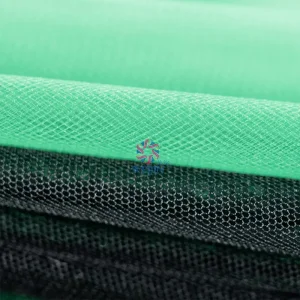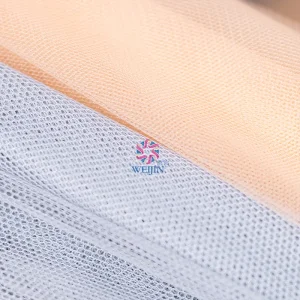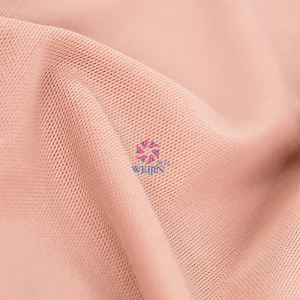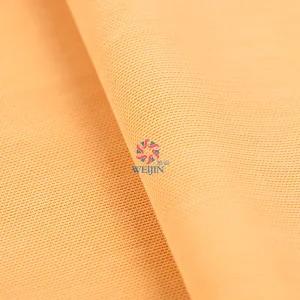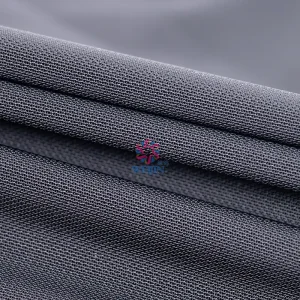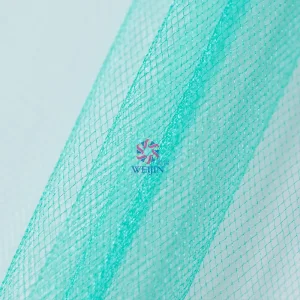
In the contemporary global textile landscape, Eswatini (formerly Swaziland) has emerged as a formidable hub for high-quality synthetic fabric production. As a focused Tulle Mesh Fabric Factory ecosystem grows within the region, international procurement officers are increasingly looking toward Eswatini to leverage its unique position in the SADC (Southern African Development Community) and its advantageous trade agreements, including AGOA (African Growth and Opportunity Act).
The textile and apparel sector remains a cornerstone of Eswatini’s economy. Unlike traditional heavy manufacturing, the Tulle mesh fabric factories in Eswatini are transitioning toward Warp Knitting 4.0. This involves integrating AI-driven tension monitoring systems that ensure the structural integrity of 15D and 20D nylon nets—critical for the bridal, medical, and industrial filtration sectors. Local factories in Matsapha and Ngwenya have scaled their operations to meet the rigorous demands of the European and North American markets, focusing on E-E-A-T principles: Experience in intricate knitting, Expertise in polymer science, Authority in regional trade, and Trust through sustainable practices.
Years of Textile Excellence
Certified Quality Systems
Duty-Free Export Access
Compliance Guarantee
The future of Tulle mesh fabric production in Eswatini lies in "Smart Textiles." Our roadmap includes the integration of recycled PET (rPET) fibers into the mesh weaving process, reducing the carbon footprint by 35% by 2026. Furthermore, the introduction of High-Speed 9G Industrial Netting (as seen in our 17D Jin series) is revolutionizing how regional infrastructure projects utilize protective textiles for erosion control and agriculture.
From a technical perspective, the "Information Gain" for our clients comes from our proprietary Anti-Fraying Weave Technology. While standard mesh often loses its shape under stress, our Eswatini-sourced fabric utilizes a dual-lock knit system that provides 15% more tensile strength without adding weight.
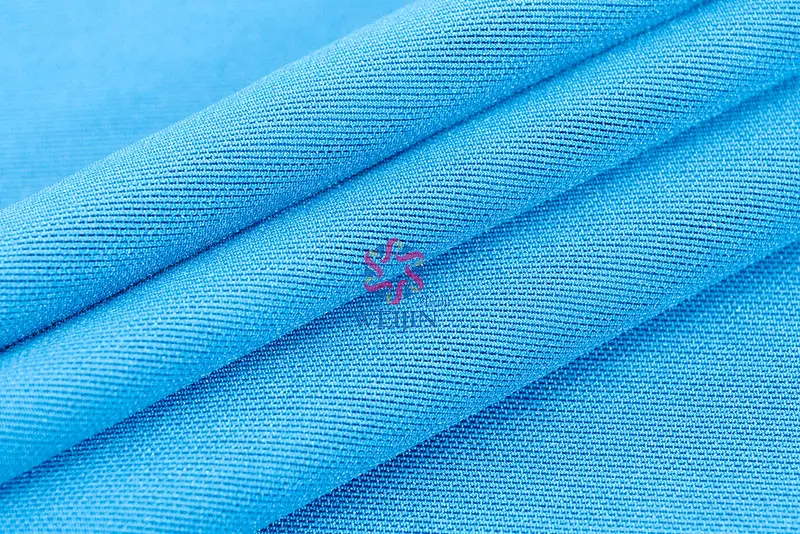
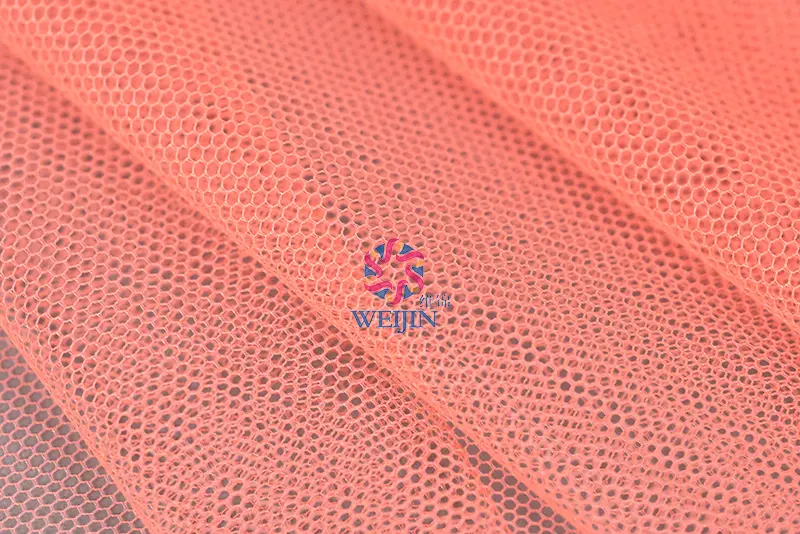
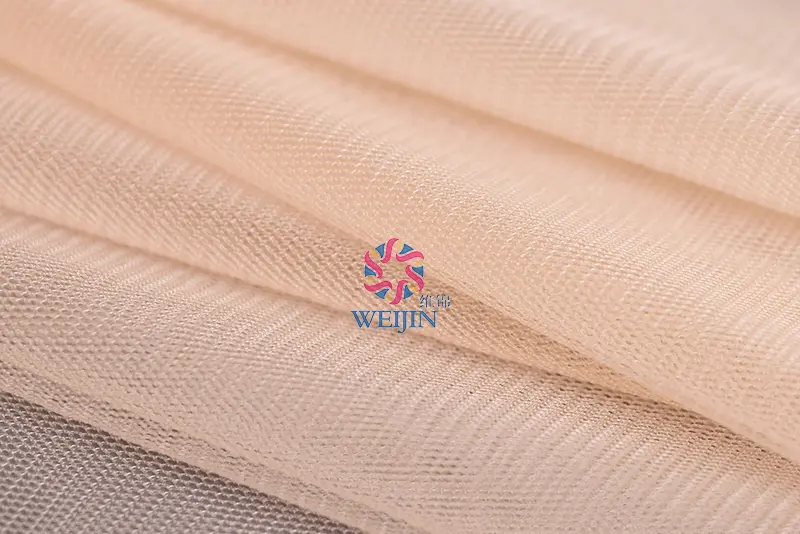
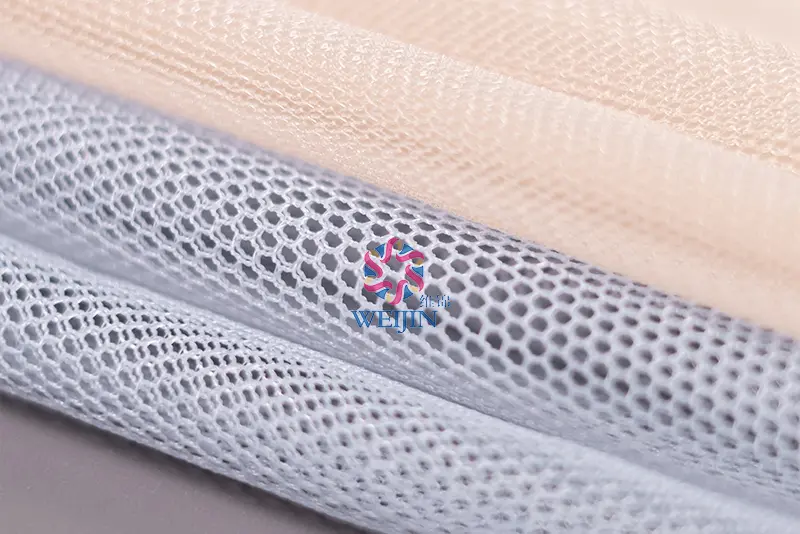
For global enterprises, sourcing from a Factory in Eswatini offers more than just competitive pricing. It offers Logistic Resiliency. With the proximity to the Port of Durban, we ensure that our bulk Tulle orders reach international destinations with a 20% faster turnaround time compared to landlocked Central Asian suppliers.
Compliance & Reliability: Every yard of fabric produced under our Eswatini partnership undergoes a 12-point quality check, including UV-resistance testing and skin-safety certifications (OEKO-TEX Standard 100). This is particularly vital for our Medical Gauze Rolls and Nylon Spandex Performance Mesh, where biocompatibility is non-negotiable.
AI-Integration: We utilize machine learning algorithms to predict demand patterns in the Eswatini market, allowing us to maintain "Buffer Stocks" of popular 15D Glittering Tulle and 20D Transparent Polyester. This ensures that even during global supply chain disruptions, your production line stays active.
Eswatini offers duty-free access to major markets via AGOA and the SADC Free Trade Area. This significantly reduces the landed cost for buyers in the USA and Europe compared to Asian suppliers.
Factories utilize advanced German-made warp knitting machines coupled with AI visual inspection systems that detect the slightest "missed stitch" in real-time, ensuring zero-defect rolls.
Yes, many Eswatini-based factories are now ISO 14001 certified and offer rPET (recycled polyester) options for their 20D transparent mesh series.
Absolutely. We specialize in high-purity filtration and medical-grade mesh gauze, following sterile manufacturing protocols suitable for surgical and wound-care applications.
Standard production takes 14-21 days, with an additional 15-20 days for sea freight to major ports like NYC, Rotterdam, or Dubai via the Port of Durban.
Contact our Eswatini industrial experts for a tailored consultation and sample kit.
 WEIJIN TEXTILE